


Your Partner in Workplace Safety & Compliance
At Workplace Safety Management, we don’t just supply products and services — we deliver peace of mind.
Our blog is here to showcase expert insights, real-world case studies, and the latest innovations in air quality, dust and fume extraction, and LEV compliance.
Whether you manage a busy workshop, factory, or commercial site, you’ll find practical advice and proven solutions to keep your workforce safe, your operations efficient, and your business fully compliant.
Your Partner in Workplace Safety & Compliance
At Workplace Safety Management, we don’t just supply products and services — we deliver peace of mind.
Our blog is here to showcase expert insights, real-world case studies, and the latest innovations in air quality, dust and fume extraction, and LEV compliance.
Whether you manage a busy workshop, factory, or commercial site, you’ll find practical advice and proven solutions to keep your workforce safe, your operations efficient, and your business fully compliant.
Spring Maintenance Tips for Workshop and Garage Prep
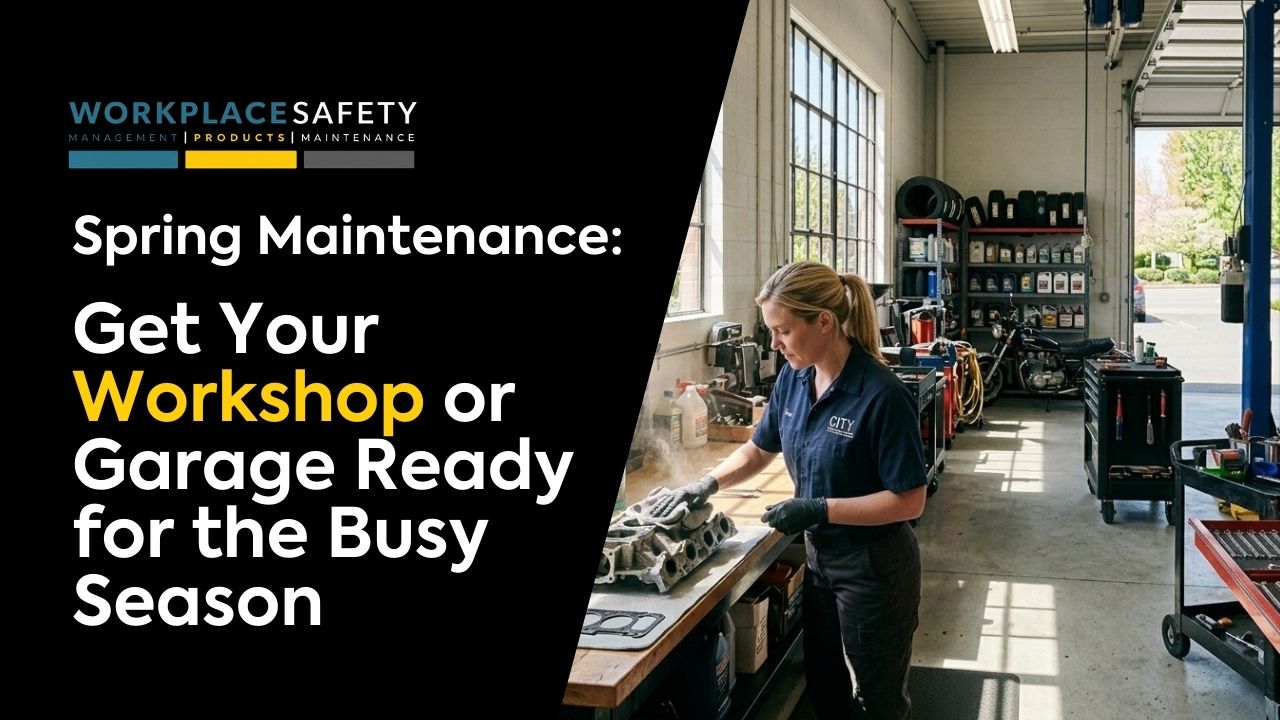
Spring is the perfect time to prepare your workshop, garage, or small engineering business for the busy months ahead. After winter slowdowns and shutdowns, taking a proactive approach to spring maintenance ensures a safe, productive, and efficient workspace.
Winter often leaves behind dust, debris, and moisture that can damage equipment, reduce air quality, and create safety hazards. Tools may rust, LEV systems can clog, and workspaces become disorganised. By incorporating workshop cleaning tips and garage organisation ideas, you can restore your workspace and prevent costly issues before the busy season begins.
Clean air, organised tools, and well-maintained equipment not only reduce downtime but also save money and boost team morale. Focusing on spring maintenance now ensures smoother operations, safer working conditions, and a positive work environment for your staff.
Why Spring Maintenance Matters for Workshops and Garages
Winter’s effects are not always obvious, but neglecting them can lead to long-term problems. A proactive spring maintenance plan tackles these hidden issues early, ensuring equipment reliability and workspace safety.
Clear Out Winter Build-Up
Dust, debris, and fumes accumulate in LEV systems during winter, reducing air quality and airflow.
Humidity can cause rust and corrosion on metal tools, machinery, and work surfaces.
Cleaning ducts, replacing filters, and inspecting extraction arms restore proper function and protect staff health.
Example: Workshops with clogged LEV ducts often see higher particle counts, which can trigger respiratory issues and reduce worker efficiency. Regular cleaning prevents this.
Prevent Costly Downtime
Conduct thorough inspections to catch wear and tear before failures occur.
Avoid unexpected breakdowns that halt operations.
Maintaining equipment such as compressors, grinders, and CNC machines extends their lifespan and reduces repair costs.
Example: A malfunctioning drill press or lathe in the spring can delay multiple projects, affecting revenue. Early inspection avoids these setbacks.
Stay COSHH-Compliant
COSHH ensures safe handling, storage, and disposal of hazardous substances like solvents, lubricants, and adhesives.
Spring is ideal for annual LEV inspections and testing.
Compliance prevents fines, legal issues, and workplace injuries.
Boost Morale and Productivity
Clean, organised spaces enhance focus and motivation.
Employees feel valued when safety and comfort are prioritised.
Properly maintained tools reduce frustration and improve efficiency.
LEV Systems and Air Quality for Safe Workshop Maintenance
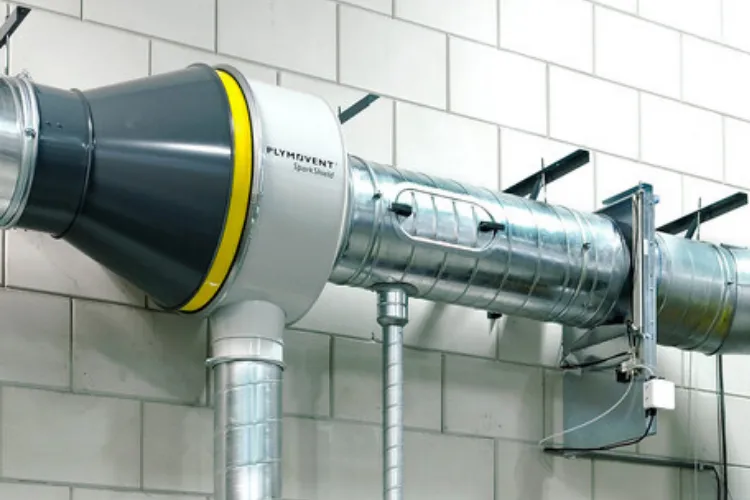
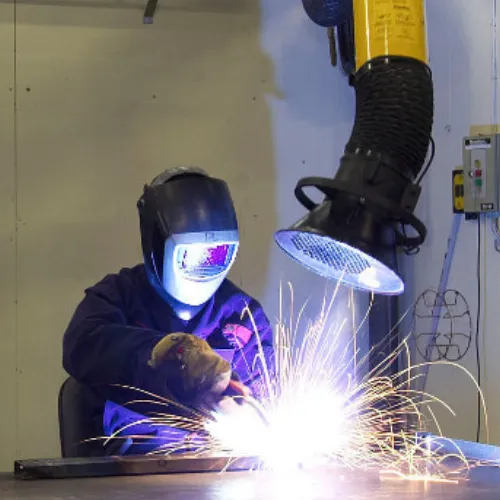
Local exhaust ventilation (LEV) systems are critical for removing harmful fumes, dust, and particles from the workspace. Regular LEV system maintenance improves air quality, reduces health risks, and prevents machinery contamination.
Common Winter Issues in LEV Systems
Dust and debris block ductwork, reducing suction power.
Filters become saturated and lose efficiency.
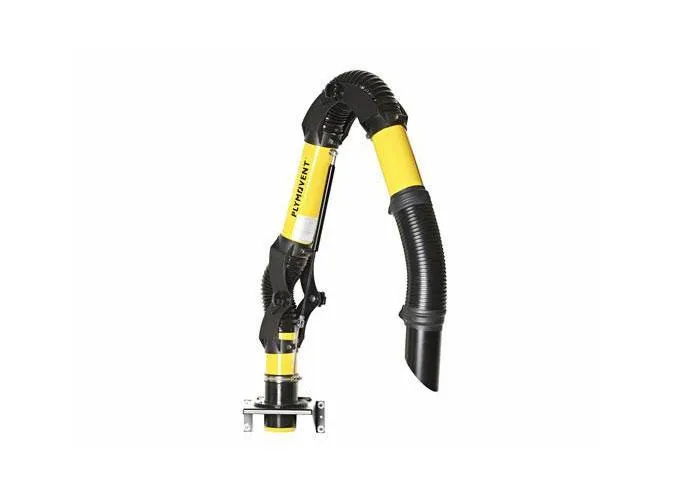
Extraction arms may shift during winter, reducing capture of fumes.
Maintenance Tips for Optimal Air Quality
Clean ducts, vents, and hoods thoroughly.
Replace or wash filters to restore airflow.
Check extraction arms for alignment and smooth operation.
Consider upgrading older LEV units for improved efficiency.
Alt Text: Technician cleaning ducts and replacing filters in a workshop
Equipment Checks for Safe and Organised Workshops
Proper equipment maintenance prevents downtime, extends tool life, and keeps employees safe.
Key Steps in Equipment Checks
Inspect tools and machinery for rust, wear, and damage.
Lubricate moving parts to reduce friction and prevent overheating.
Check electrical wiring for exposed or frayed cables.
Test safety mechanisms such as emergency stops, guards, and alarms.
Seasonal Equipment Tips
Winter humidity may affect belts, bearings, and motors labelled 'inspect and replace if needed'.
For small garages, organise tools to ensure easy access and prevent accidental damage.
Document any repairs or replacements for future reference.
Workspace Organisation for Workshops and Garages
A well-organised workspace improves efficiency, reduces accidents, and ensures smoother operations.
Garage Organisation Ideas
Declutter workbenches, storage areas, and aisles.
Use labelled bins, racks, or pegboards for tools and parts.
Store hazardous chemicals safely and clearly label them.
Optimise storage for seasonal equipment to save space.
Workflow Optimisation Tips
Arrange frequently used tools near workstations.
Keep aisles and walkways clear for safety and easy access.
Implement a maintenance calendar for recurring cleaning and inspections.
Alt Text: Organised workshop with labelled tools and clean workbenches
Safety and Compliance for Workshop and LEV Maintenance
Maintaining safety standards protects your team and ensures legal compliance.
Key Safety Checks
Conduct risk assessments and regular audits.
Test fire extinguishers, alarms, and emergency exits.
Update COSHH documentation and train staff on new procedures.
Ensure PPE (personal protective equipment) is available and in good condition.
Inventory and Spare Parts for Workshop and LEV Maintenance
Proper inventory management ensures repairs can be completed without delays.
Stock genuine spare parts for tools and LEV systems.
Replace consumables like filters, belts, and lubricants regularly.
Maintain a log of available supplies and reorder before stock runs out.
Anticipate seasonal demand to prevent shortages during busy months.
Benefits of Professional Spring Maintenance for Workshops
Hiring experts ensures a thorough, safe, and efficient spring maintenance process.
LEV system cleaning and filter replacement ensures optimal air quality
COSHH-compliant inspections and testing: regulatory peace of mind
Genuine spare parts supply extend equipment life
Advice and upgrades improve efficiency and workflow
Example ROI: Investing in professional maintenance often prevents costly downtime, reduces emergency repair costs, and improves productivity by 20–30% during peak season.
Step-by-Step Spring Maintenance Checklist
Inspect LEV systems, clean ducts, replace filters, and check extraction arms
Examine equipment, inspect belts, lubricate moving parts, and check connections
Organise workspaces and declutter benches, storage, and walkways
Check compliance with COSHH documentation, safety audits,
Stock supplies spare parts, consumables, and safety gear
Schedule professional service cleaning, inspections, and testing
Educate staff on safety procedures and workflow improvements
Practical Tips for a Smooth Spring Maintenance Season
Start Early: Begin in February or March for optimal preparation.
Document Everything: Keep detailed records of maintenance tasks and inspections.
Train staff: Provide short training sessions on safe equipment handling.
Upgrade When Needed: Consider modern LEV units or enhanced filtration systems.
Follow-up Checks: Schedule mid-season inspections to catch emerging issues.
Benefits of Regular Spring Maintenance for Workshops
1. Improved Air Quality
Clean LEV systems reduce dust, fumes, and harmful particles, creating a healthier workspace.
2. Extended Equipment Life
Preventive maintenance reduces wear and prolongs machinery's lifespan.
3. Reduced Downtime
Scheduled checks prevent unexpected failures during peak season.
4. Boosted Team Morale
Organised, clean workspaces improve focus, motivation, and productivity.
5. Compliance Peace of Mind
Stay compliant with COSHH and other safety standards year-round.
Conclusion
Investing in spring maintenance is a proactive choice that improves air quality, extends equipment life, and keeps your team safe and productive. Partner with Workplace Safety Management to inspect and clean LEV systems, replace filters, and organise your workspace for the best results.
Don’t wait for the first breakdown. Book your spring maintenance today and set your workshop or garage up for a safe, efficient, and productive season.
Alt Text: Workshop with tools and LEV system ready for spring maintenance
FAQs
Q1: How often should LEV maintenance be scheduled?
A: Annual inspections are recommended, with cleaning and filter replacement at least once per year.
Q2: What does COSHH compliance involve?
A: COSHH ensures safe handling and storage of hazardous substances to protect your team and meet legal requirements.
Q3: Can I do spring maintenance myself?
A: Basic cleaning is possible, but professional LEV inspection, testing, and parts replacement ensure full compliance and safety.
Q4: When is the best time for spring maintenance?
A: February or March is ideal, giving your workshop time to prepare before the busy season.
Q5: What are the main benefits of spring maintenance?
A: Improved air quality, compliance, reduced downtime, longer equipment life, and motivated employees.

Spring Maintenance Tips for Workshop and Garage Prep
Spring is the perfect time to prepare your workshop, garage, or small engineering business for the busy months ahead. After winter slowdowns and shutdowns, taking a proactive approach to spring maintenance ensures a safe, productive, and efficient workspace.
Winter often leaves behind dust, debris, and moisture that can damage equipment, reduce air quality, and create safety hazards. Tools may rust, LEV systems can clog, and workspaces become disorganised. By incorporating workshop cleaning tips and garage organisation ideas, you can restore your workspace and prevent costly issues before the busy season begins.
Clean air, organised tools, and well-maintained equipment not only reduce downtime but also save money and boost team morale. Focusing on spring maintenance now ensures smoother operations, safer working conditions, and a positive work environment for your staff.
Why Spring Maintenance Matters for Workshops and Garages
Winter’s effects are not always obvious, but neglecting them can lead to long-term problems. A proactive spring maintenance plan tackles these hidden issues early, ensuring equipment reliability and workspace safety.
Clear Out Winter Build-Up
Dust, debris, and fumes accumulate in LEV systems during winter, reducing air quality and airflow.
Humidity can cause rust and corrosion on metal tools, machinery, and work surfaces.
Cleaning ducts, replacing filters, and inspecting extraction arms restore proper function and protect staff health.
Example: Workshops with clogged LEV ducts often see higher particle counts, which can trigger respiratory issues and reduce worker efficiency. Regular cleaning prevents this.
Prevent Costly Downtime
Conduct thorough inspections to catch wear and tear before failures occur.
Avoid unexpected breakdowns that halt operations.
Maintaining equipment such as compressors, grinders, and CNC machines extends their lifespan and reduces repair costs.
Example: A malfunctioning drill press or lathe in the spring can delay multiple projects, affecting revenue. Early inspection avoids these setbacks.
Stay COSHH-Compliant
COSHH ensures safe handling, storage, and disposal of hazardous substances like solvents, lubricants, and adhesives.
Spring is ideal for annual LEV inspections and testing.
Compliance prevents fines, legal issues, and workplace injuries.
Boost Morale and Productivity
Clean, organised spaces enhance focus and motivation.
Employees feel valued when safety and comfort are prioritised.
Properly maintained tools reduce frustration and improve efficiency.
LEV Systems and Air Quality for Safe Workshop Maintenance
Local exhaust ventilation (LEV) systems are critical for removing harmful fumes, dust, and particles from the workspace. Regular LEV system maintenance improves air quality, reduces health risks, and prevents machinery contamination.
Common Winter Issues in LEV Systems
Dust and debris block ductwork, reducing suction power.
Filters become saturated and lose efficiency.
Extraction arms may shift during winter, reducing capture of fumes.
Maintenance Tips for Optimal Air Quality
Clean ducts, vents, and hoods thoroughly.
Replace or wash filters to restore airflow.
Check extraction arms for alignment and smooth operation.
Consider upgrading older LEV units for improved efficiency.
Alt Text: Technician cleaning ducts and replacing filters in a workshop
Equipment Checks for Safe and Organised Workshops
Proper equipment maintenance prevents downtime, extends tool life, and keeps employees safe.
Key Steps in Equipment Checks
Inspect tools and machinery for rust, wear, and damage.
Lubricate moving parts to reduce friction and prevent overheating.
Check electrical wiring for exposed or frayed cables.
Test safety mechanisms such as emergency stops, guards, and alarms.
Seasonal Equipment Tips
Winter humidity may affect belts, bearings, and motors labelled 'inspect and replace if needed'.
For small garages, organise tools to ensure easy access and prevent accidental damage.
Document any repairs or replacements for future reference.
Workspace Organisation for Workshops and Garages
A well-organised workspace improves efficiency, reduces accidents, and ensures smoother operations.
Garage Organisation Ideas
Declutter workbenches, storage areas, and aisles.
Use labelled bins, racks, or pegboards for tools and parts.
Store hazardous chemicals safely and clearly label them.
Optimise storage for seasonal equipment to save space.
Workflow Optimisation Tips
Arrange frequently used tools near workstations.
Keep aisles and walkways clear for safety and easy access.
Implement a maintenance calendar for recurring cleaning and inspections.
Alt Text: Organised workshop with labelled tools and clean workbenches
Safety and Compliance for Workshop and LEV Maintenance
Maintaining safety standards protects your team and ensures legal compliance.
Key Safety Checks
Conduct risk assessments and regular audits.
Test fire extinguishers, alarms, and emergency exits.
Update COSHH documentation and train staff on new procedures.
Ensure PPE (personal protective equipment) is available and in good condition.
Inventory and Spare Parts for Workshop and LEV Maintenance
Proper inventory management ensures repairs can be completed without delays.
Stock genuine spare parts for tools and LEV systems.
Replace consumables like filters, belts, and lubricants regularly.
Maintain a log of available supplies and reorder before stock runs out.
Anticipate seasonal demand to prevent shortages during busy months.
Benefits of Professional Spring Maintenance for Workshops
Hiring experts ensures a thorough, safe, and efficient spring maintenance process.
LEV system cleaning and filter replacement ensures optimal air quality
COSHH-compliant inspections and testing: regulatory peace of mind
Genuine spare parts supply extend equipment life
Advice and upgrades improve efficiency and workflow
Example ROI: Investing in professional maintenance often prevents costly downtime, reduces emergency repair costs, and improves productivity by 20–30% during peak season.
Step-by-Step Spring Maintenance Checklist
Inspect LEV systems, clean ducts, replace filters, and check extraction arms
Examine equipment, inspect belts, lubricate moving parts, and check connections
Organise workspaces and declutter benches, storage, and walkways
Check compliance with COSHH documentation, safety audits,
Stock supplies spare parts, consumables, and safety gear
Schedule professional service cleaning, inspections, and testing
Educate staff on safety procedures and workflow improvements
Practical Tips for a Smooth Spring Maintenance Season
Start Early: Begin in February or March for optimal preparation.
Document Everything: Keep detailed records of maintenance tasks and inspections.
Train staff: Provide short training sessions on safe equipment handling.
Upgrade When Needed: Consider modern LEV units or enhanced filtration systems.
Follow-up Checks: Schedule mid-season inspections to catch emerging issues.
Benefits of Regular Spring Maintenance for Workshops
1. Improved Air Quality
Clean LEV systems reduce dust, fumes, and harmful particles, creating a healthier workspace.
2. Extended Equipment Life
Preventive maintenance reduces wear and prolongs machinery's lifespan.
3. Reduced Downtime
Scheduled checks prevent unexpected failures during peak season.
4. Boosted Team Morale
Organised, clean workspaces improve focus, motivation, and productivity.
5. Compliance Peace of Mind
Stay compliant with COSHH and other safety standards year-round.
Conclusion
Investing in spring maintenance is a proactive choice that improves air quality, extends equipment life, and keeps your team safe and productive. Partner with Workplace Safety Management to inspect and clean LEV systems, replace filters, and organise your workspace for the best results.
Don’t wait for the first breakdown. Book your spring maintenance today and set your workshop or garage up for a safe, efficient, and productive season.
Alt Text: Workshop with tools and LEV system ready for spring maintenance
FAQs
Q1: How often should LEV maintenance be scheduled?
A: Annual inspections are recommended, with cleaning and filter replacement at least once per year.
Q2: What does COSHH compliance involve?
A: COSHH ensures safe handling and storage of hazardous substances to protect your team and meet legal requirements.
Q3: Can I do spring maintenance myself?
A: Basic cleaning is possible, but professional LEV inspection, testing, and parts replacement ensure full compliance and safety.
Q4: When is the best time for spring maintenance?
A: February or March is ideal, giving your workshop time to prepare before the busy season.
Q5: What are the main benefits of spring maintenance?
A: Improved air quality, compliance, reduced downtime, longer equipment life, and motivated employees.
Talk to our Team today about your ventilation requirements
Talk to our Team today about your ventilation requirements
Click The Service Requirement Below








Sign up to our Mailing List
And be the first to find out about all our latest news and special offers.
Sign up to our Mailing List
And be the first to find out about all our latest news and special offers.
Workplace Safety Management Ltd
Unit 1 Garden Court
Gee Road
Coalville
Leicestershire
LE67 4NB
Email: [email protected]
COMPANY INFO
CUSTOMER INFO
2025 Workplace Safety Management & Products