
Your Partner in Workplace Safety & Compliance
At Workplace Safety Management, we don’t just supply products and services — we deliver peace of mind.
Our blog is here to showcase expert insights, real-world case studies, and the latest innovations in air quality, dust and fume extraction, and LEV compliance.
Whether you manage a busy workshop, factory, or commercial site, you’ll find practical advice and proven solutions to keep your workforce safe, your operations efficient, and your business fully compliant.
Your Partner in Workplace Safety & Compliance
At Workplace Safety Management, we don’t just supply products and services — we deliver peace of mind.
Our blog is here to showcase expert insights, real-world case studies, and the latest innovations in air quality, dust and fume extraction, and LEV compliance.
Whether you manage a busy workshop, factory, or commercial site, you’ll find practical advice and proven solutions to keep your workforce safe, your operations efficient, and your business fully compliant.
How Can Food Production Ventilation Improve Safety, Quality, and Compliance?
In food production, maintaining hygiene and safety is non-negotiable. While many businesses concentrate on equipment cleaning, surface sanitisation, and temperature control, one critical factor is often overlooked: food production ventilation. Poor air quality can affect your workforce, compromise your products, impact compliance, and even damage your reputation. Effective production ventilation is essential to protect your staff, your food, and your business.
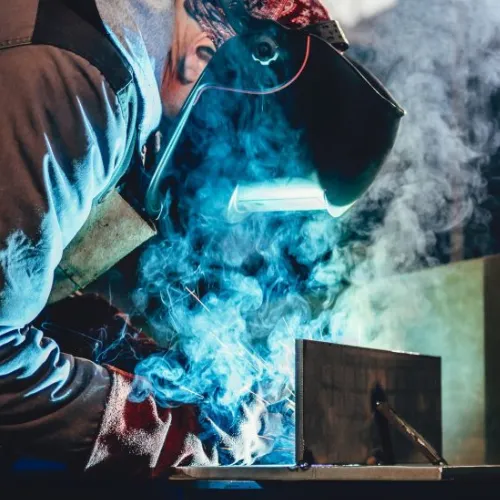
Airborne dust, allergens, odours, and steam are common in food facilities. Without the right ventilation, these contaminants can accumulate, creating risks that go far beyond discomfort as they can jeopardise food safety and overall operational efficiency.
Alt text: Airborne dust and steam in a food production facility, highlighting the need for effective ventilation systems.
Why Clean Air Is Essential in Food Production
Food production facilities are complex environments. Ingredients such as flour, sugar, spices, and powders can easily become airborne, alongside steam, oils, and cleaning chemicals. Inadequate food production ventilation can lead to multiple problems:
1. Product Contamination
Airborne particles can settle on food, packaging, and surfaces, increasing the risk of contamination. This can:
Reduce product quality and shelf life
Trigger costly recalls
Damage your brand reputation
Beyond these immediate risks, product contamination can also disrupt supply chains. Contaminated batches may force manufacturers to halt production lines, recall products from retailers, and conduct extensive quality checks, all of which are costly and time-consuming. Over time, repeated contamination issues can erode consumer trust and impact long-term profitability. Maintaining effective production ventilation is, therefore, a proactive measure to prevent these operational and financial setbacks.
2. Staff Health and Comfort
Workers in food production are often on their feet all day. Dust, fumes, and strong odours can cause:
Irritation and breathing difficulties
Fatigue and discomfort
Increased absenteeism and lower productivity
Healthy and comfortable staff are crucial for maintaining production efficiency. Poor air quality can lead to chronic respiratory problems or stress-related health issues, reducing employee engagement and increasing turnover rates. Additionally, staff working in poorly ventilated areas are more likely to make mistakes during production, which can compromise food safety. By investing in high-quality production ventilation, businesses can create a safer work environment that supports both well-being and operational excellence.
3. Compliance and Audit Readiness
Food safety standards increasingly scrutinise environmental controls, including air quality. Without effective food production ventilation, you may face:
Audit red flags
Difficulty meeting regulatory requirements
Challenges with major retailers and brand clients who demand rigorous hygiene controls
Compliance is not just about avoiding fines; it is about demonstrating a consistent commitment to food safety. Regulatory bodies and auditors are increasingly looking at the broader environment, including air quality, to ensure safe production practices. Inadequate ventilation can result in non-conformances that are costly to rectify and may delay product launches. By implementing proper production ventilation, businesses can stay audit-ready, meet compliance requirements efficiently, and build trust with regulators, clients, and consumers alike.
Alt text: Food production environment showing airborne particles and the importance of clean air for staff and product safety.
The Role of LEV Systems in Food Production
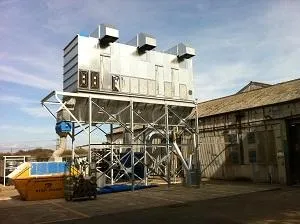
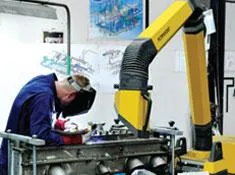
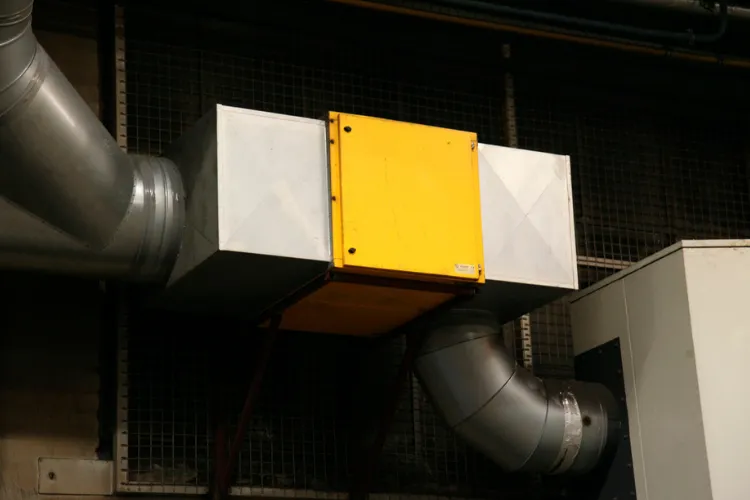
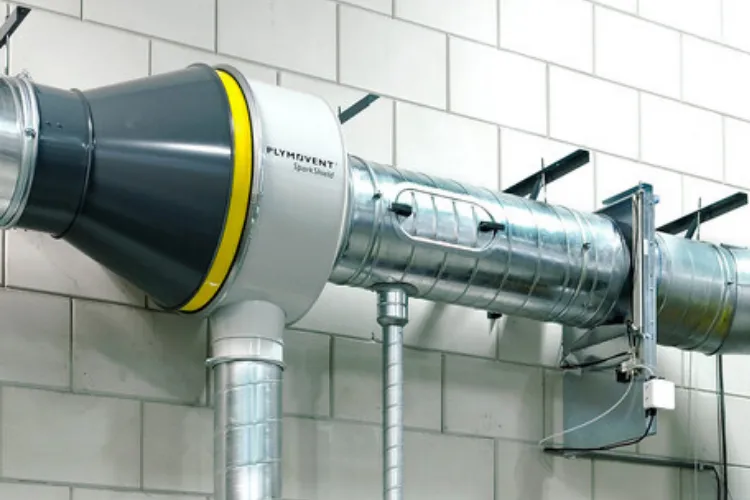
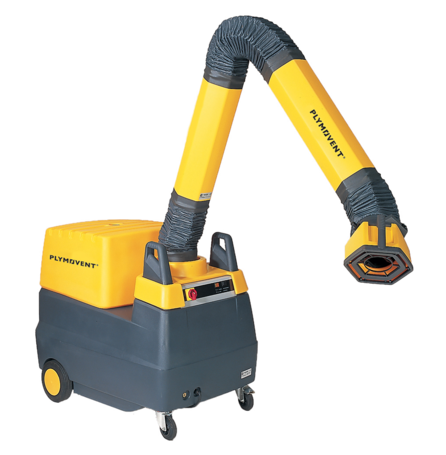
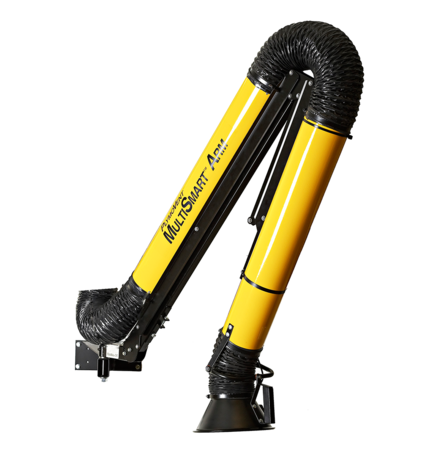
Local Exhaust Ventilation (LEV) systems are a cornerstone of production ventilation. They capture contaminants directly at the source, such as mixing stations, bag tipping areas, and frying or cooking lines. By targeting pollutants at their point of origin, LEV prevent dust, fumes, and vapours from spreading throughout the facility. This not only protects the quality of the food being produced but also ensures a safer and healthier environment for staff, reducing exposure to harmful airborne particles.
Mixing stations
Bag tipping areas
Frying and cooking lines
Key benefits of LEV systems include:
Reduced dust and allergen levels in the air
Better control of steam, oils, and fumes
Cleaner surfaces and equipment
Enhanced comfort and safety for staff
LEV are not just a regulatory requirement, but they are a strategic investment. By controlling airborne contaminants, LEV reduce the need for frequent cleaning, prolongs the lifespan of equipment, and creates a more pleasant workplace. This results in smoother operations, higher product quality, and improved staff satisfaction.
How Workplace Safety Management Supports Food Producers
At Workplace Safety Management, we help food production businesses across the UK implement efficient production ventilation solutions through:
New LEV installations tailored to facility layout and processes
Replacement and upgrades of outdated or inefficient systems
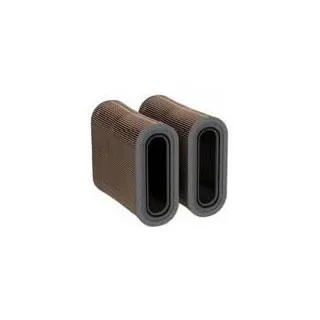
Supply of spare parts for leading LEV brands to minimise downtime
COSHH testing and reporting to support compliance and audit readiness
Ongoing maintenance to keep systems performing optimally
Whether your facility is a bakery, ready-meal producer, snack manufacturer, or specialist production line, we can help create a cleaner, safer environment. Proper food production ventilation ensures that every part of your operation meets safety, quality, and operational standards.
Protect Your Brand with Professional Ventilation
Your brand relies on trust. Customers expect high-quality, safe products every time. Investing in food production ventilation, and professional LEV systems is an essential step to maintaining that trust. Improving air quality protects your products from contamination, safeguards your staff, and strengthens your compliance with food safety standards. A well-ventilated facility is a visible commitment to excellence, reassuring both clients and consumers that your brand prioritises safety and quality.
Conclusion
In conclusion, effective food production ventilation is not just about comfort, as it is a critical factor in maintaining product safety, staff wellbeing, and regulatory compliance. From reducing airborne contamination to supporting staff health, the right ventilation and LEV systems play a vital role in protecting both your food and your brand. Workplace Safety Management provides the best solutions to ensure your facility maintains the highest standards of hygiene and safety. Investing in professional production ventilation is an investment in trust, compliance, and long-term operational success.
Keep your food production facility safe and compliant. Contact Workplace Safety Management to optimise your ventilation and protect your staff and products!
FAQs
1. What is food production ventilation?
Food production ventilation involves systems like LEV that control air quality, reduce contaminants, and ensure a safe working environment.
2. Why is ventilation important in food production facilities?
Proper ventilation protects products from contamination, safeguards staff health, and ensures compliance with food safety regulations.
3. What are LEV systems?
LEV (Local Exhaust Ventilation) systems capture dust, fumes, and vapours at the source, preventing them from spreading across the facility.
4. How often should ventilation systems be maintained?
Regular maintenance, at least annually or as recommended by the manufacturer, keeps ventilation systems effective and compliant with safety standards.
5. Can ventilation improve staff productivity?
Yes. Cleaner air reduces fatigue, irritation, and absenteeism, helping staff work more efficiently and safely.

How Can Food Production Ventilation Improve Safety, Quality, and Compliance?
In food production, maintaining hygiene and safety is non-negotiable. While many businesses concentrate on equipment cleaning, surface sanitisation, and temperature control, one critical factor is often overlooked: food production ventilation. Poor air quality can affect your workforce, compromise your products, impact compliance, and even damage your reputation. Effective production ventilation is essential to protect your staff, your food, and your business.
Airborne dust, allergens, odours, and steam are common in food facilities. Without the right ventilation, these contaminants can accumulate, creating risks that go far beyond discomfort as they can jeopardise food safety and overall operational efficiency.
Alt text: Airborne dust and steam in a food production facility, highlighting the need for effective ventilation systems.
Why Clean Air Is Essential in Food Production
Food production facilities are complex environments. Ingredients such as flour, sugar, spices, and powders can easily become airborne, alongside steam, oils, and cleaning chemicals. Inadequate food production ventilation can lead to multiple problems:
1. Product Contamination
Airborne particles can settle on food, packaging, and surfaces, increasing the risk of contamination. This can:
Reduce product quality and shelf life
Trigger costly recalls
Damage your brand reputation
Beyond these immediate risks, product contamination can also disrupt supply chains. Contaminated batches may force manufacturers to halt production lines, recall products from retailers, and conduct extensive quality checks, all of which are costly and time-consuming. Over time, repeated contamination issues can erode consumer trust and impact long-term profitability. Maintaining effective production ventilation is, therefore, a proactive measure to prevent these operational and financial setbacks.
2. Staff Health and Comfort
Workers in food production are often on their feet all day. Dust, fumes, and strong odours can cause:
Irritation and breathing difficulties
Fatigue and discomfort
Increased absenteeism and lower productivity
Healthy and comfortable staff are crucial for maintaining production efficiency. Poor air quality can lead to chronic respiratory problems or stress-related health issues, reducing employee engagement and increasing turnover rates. Additionally, staff working in poorly ventilated areas are more likely to make mistakes during production, which can compromise food safety. By investing in high-quality production ventilation, businesses can create a safer work environment that supports both well-being and operational excellence.
3. Compliance and Audit Readiness
Food safety standards increasingly scrutinise environmental controls, including air quality. Without effective food production ventilation, you may face:
Audit red flags
Difficulty meeting regulatory requirements
Challenges with major retailers and brand clients who demand rigorous hygiene controls
Compliance is not just about avoiding fines; it is about demonstrating a consistent commitment to food safety. Regulatory bodies and auditors are increasingly looking at the broader environment, including air quality, to ensure safe production practices. Inadequate ventilation can result in non-conformances that are costly to rectify and may delay product launches. By implementing proper production ventilation, businesses can stay audit-ready, meet compliance requirements efficiently, and build trust with regulators, clients, and consumers alike.
Alt text: Food production environment showing airborne particles and the importance of clean air for staff and product safety.
The Role of LEV Systems in Food Production
Local Exhaust Ventilation (LEV) systems are a cornerstone of production ventilation. They capture contaminants directly at the source, such as mixing stations, bag tipping areas, and frying or cooking lines. By targeting pollutants at their point of origin, LEV prevent dust, fumes, and vapours from spreading throughout the facility. This not only protects the quality of the food being produced but also ensures a safer and healthier environment for staff, reducing exposure to harmful airborne particles.
Mixing stations
Bag tipping areas
Frying and cooking lines
Key benefits of LEV systems include:
Reduced dust and allergen levels in the air
Better control of steam, oils, and fumes
Cleaner surfaces and equipment
Enhanced comfort and safety for staff
LEV are not just a regulatory requirement, but they are a strategic investment. By controlling airborne contaminants, LEV reduce the need for frequent cleaning, prolongs the lifespan of equipment, and creates a more pleasant workplace. This results in smoother operations, higher product quality, and improved staff satisfaction.
How Workplace Safety Management Supports Food Producers
At Workplace Safety Management, we help food production businesses across the UK implement efficient production ventilation solutions through:
New LEV installations tailored to facility layout and processes
Replacement and upgrades of outdated or inefficient systems
Supply of spare parts for leading LEV brands to minimise downtime
COSHH testing and reporting to support compliance and audit readiness
Ongoing maintenance to keep systems performing optimally
Whether your facility is a bakery, ready-meal producer, snack manufacturer, or specialist production line, we can help create a cleaner, safer environment. Proper food production ventilation ensures that every part of your operation meets safety, quality, and operational standards.
Protect Your Brand with Professional Ventilation
Your brand relies on trust. Customers expect high-quality, safe products every time. Investing in food production ventilation, and professional LEV systems is an essential step to maintaining that trust. Improving air quality protects your products from contamination, safeguards your staff, and strengthens your compliance with food safety standards. A well-ventilated facility is a visible commitment to excellence, reassuring both clients and consumers that your brand prioritises safety and quality.
Conclusion
In conclusion, effective food production ventilation is not just about comfort, as it is a critical factor in maintaining product safety, staff wellbeing, and regulatory compliance. From reducing airborne contamination to supporting staff health, the right ventilation and LEV systems play a vital role in protecting both your food and your brand. Workplace Safety Management provides the best solutions to ensure your facility maintains the highest standards of hygiene and safety. Investing in professional production ventilation is an investment in trust, compliance, and long-term operational success.
Keep your food production facility safe and compliant. Contact Workplace Safety Management to optimise your ventilation and protect your staff and products!
FAQs
1. What is food production ventilation?
Food production ventilation involves systems like LEV that control air quality, reduce contaminants, and ensure a safe working environment.
2. Why is ventilation important in food production facilities?
Proper ventilation protects products from contamination, safeguards staff health, and ensures compliance with food safety regulations.
3. What are LEV systems?
LEV (Local Exhaust Ventilation) systems capture dust, fumes, and vapours at the source, preventing them from spreading across the facility.
4. How often should ventilation systems be maintained?
Regular maintenance, at least annually or as recommended by the manufacturer, keeps ventilation systems effective and compliant with safety standards.
5. Can ventilation improve staff productivity?
Yes. Cleaner air reduces fatigue, irritation, and absenteeism, helping staff work more efficiently and safely.
Talk to our Team today about your ventilation requirements
Talk to our Team today about your ventilation requirements
Click The Service Requirement Below





Sign up to our Mailing List
And be the first to find out about all our latest news and special offers.
Sign up to our Mailing List
And be the first to find out about all our latest news and special offers.
Workplace Safety Management Ltd
Unit 1 Garden Court
Gee Road
Coalville
Leicestershire
LE67 4NB
Email: [email protected]
COMPANY INFO
CUSTOMER INFO
2025 Workplace Safety Management & Products