Your Partner in Workplace Safety & Compliance
At Workplace Safety Management, we don’t just supply products and services — we deliver peace of mind.
Our blog is here to showcase expert insights, real-world case studies, and the latest innovations in air quality, dust and fume extraction, and LEV compliance.
Whether you manage a busy workshop, factory, or commercial site, you’ll find practical advice and proven solutions to keep your workforce safe, your operations efficient, and your business fully compliant.
Your Partner in Workplace Safety & Compliance
At Workplace Safety Management, we don’t just supply products and services — we deliver peace of mind.
Our blog is here to showcase expert insights, real-world case studies, and the latest innovations in air quality, dust and fume extraction, and LEV compliance.
Whether you manage a busy workshop, factory, or commercial site, you’ll find practical advice and proven solutions to keep your workforce safe, your operations efficient, and your business fully compliant.
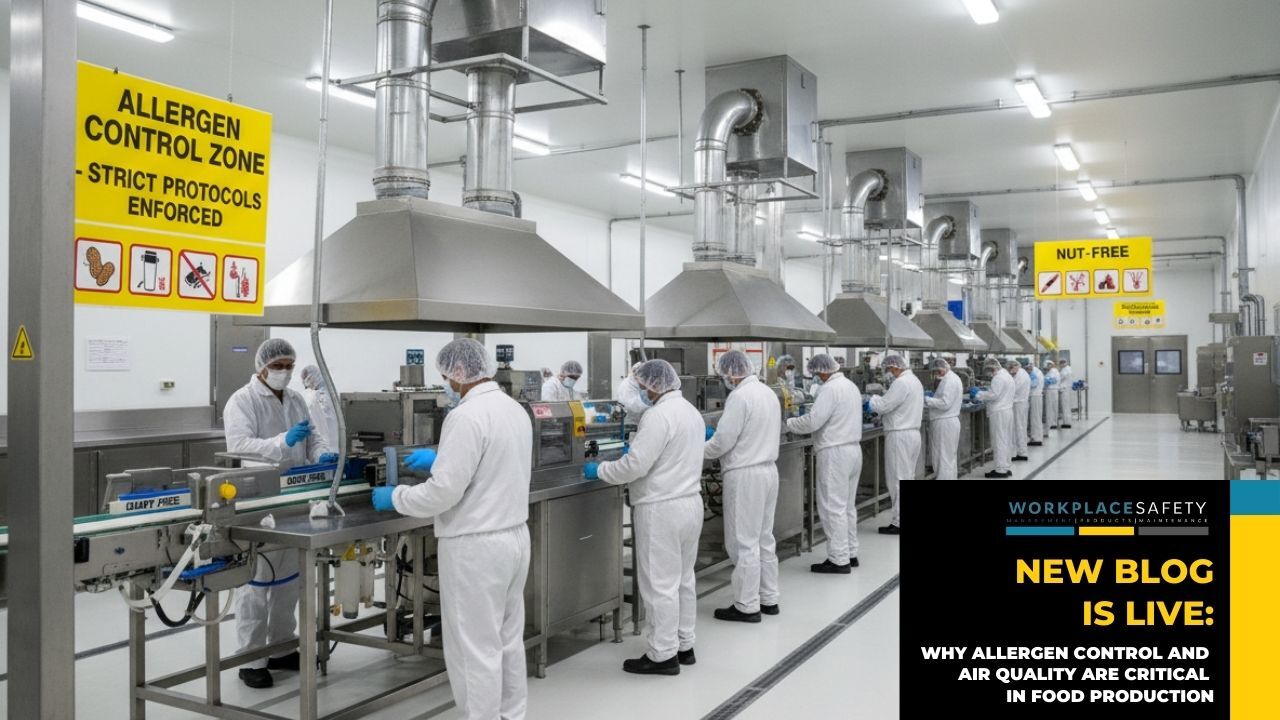
Allergen Control in Food Production: LEV Air Quality Guide
Quick summary:
Allergen control in food production depends on more than clean surfaces and careful ingredient handling. Airborne allergens like flour, nuts, and milk powder can spread through the air and contaminate entire batches. This guide explains how Local Exhaust Ventilation (LEV) systems support allergen control, what warning signs to watch for, and how regular maintenance keeps your facility compliant, safe, and audit ready.
Food allergies are a growing concern for both shoppers and producers. Even a tiny trace of the wrong allergen can trigger a health emergency, a costly product recall, or lasting damage to a brand's reputation. Most food safety plans focus heavily on surface cleaning and ingredient checks. But air quality is often left out of the conversation, even though it plays a direct role in allergen control.
Airborne allergens move quietly through a facility. They settle on equipment, drift into other production lines, and linger in ductwork long after a shift ends. Ignoring this part of your safety plan can lead to cross-contamination, regulatory problems, and unplanned downtime. Facilities that treat allergen control as a full air quality strategy, not just a cleaning task, protect their products, their people, and their brand.
What Makes Airborne Allergens So Hard to Manage?
Ingredients such as flour, nuts, milk powder, and spices become airborne during mixing, tipping, packing, and cleaning. Once suspended in the air, these particles can:
Settle on surfaces, equipment, and finished products
Travel to other production lines and cause cross-contamination
Stay trapped in ductwork and recirculate for weeks
Because these particles are invisible, standard cleaning routines often miss them completely. This is exactly why allergen control needs to include air quality management, not just surface-level cleaning.
How LEV Systems Support Allergen Control
Local Exhaust Ventilation (LEV) systems capture airborne allergens right at the source, before they have a chance to spread. This makes LEV systems one of the most effective tools for allergen control in any food production setting.
A well-maintained LEV system helps you:
Lower the risk of cross-contamination between production lines
Protect sensitive products and the customers who rely on accurate labeling
Support audits and demonstrate ongoing food safety compliance
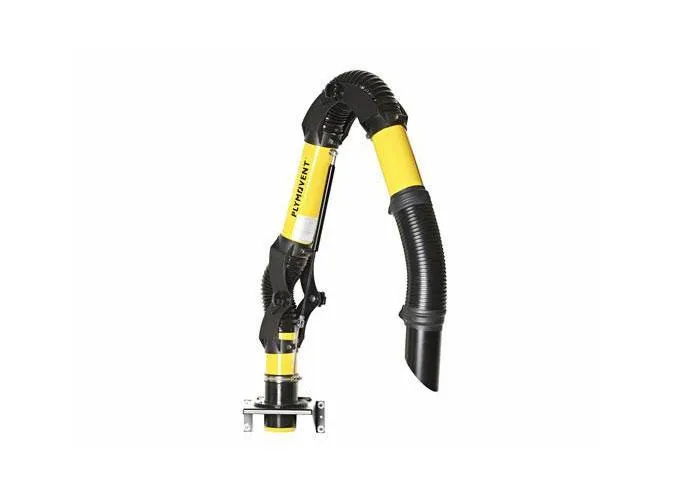
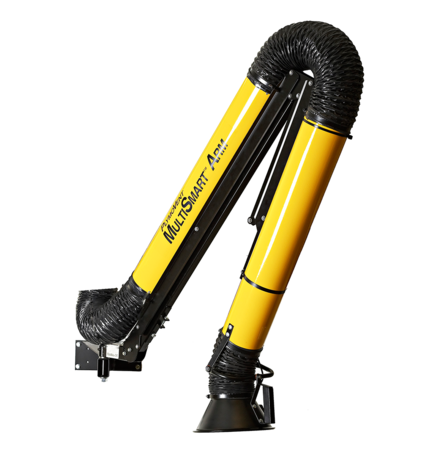
Keeping filters, extraction arms, and ductwork in good condition is what makes allergen control actually work day to day. Facilities that stay on top of LEV maintenance see fewer contamination events and stronger compliance records over time.
How Workplace Safety Management Supports Your Allergen Control Plan
Getting allergen control right takes more than a single fix. Our team supports food production facilities with:
Custom LEV System Design: Systems built around your specific production lines for maximum allergen capture. See our dust extraction solutions built for facilities handling fine particulates like flour and powders.
Routine Maintenance and Filter Changes: Keeping your system removing airborne allergens as effectively as day one.
COSHH-Compliant Testing and Documentation: Giving you audit-ready records whenever inspectors come calling.
Spare Parts Supply: Supporting all major brands so downtime stays minimal.
Facilities that handle both dust and fume-based allergen risks often benefit from pairing this with our fume extraction systems as well, since many production lines generate both particulate and vapor-based contaminants.
Building a Complete Air Quality Strategy
LEV systems are the core of allergen control, but a complete strategy goes further. Consider adding:
Continuous Monitoring: Catching airborne allergens in real time before they spread
Ductwork Cleaning: Clearing out particles before they recirculate
Staff Training: Teaching your team how to spot and prevent contamination
Process Optimization: Adjusting workflows to reduce how much allergen becomes airborne in the first place
Pairing these steps with strong LEV maintenance is what turns allergen control from a compliance checkbox into a genuine safety advantage.
Why Allergen Control Pays Off
Investing properly in allergen control brings real, measurable benefits:
Fewer Recalls: Preventing contamination events protects your brand and your bottom line
Healthier Staff: Cleaner air means less exposure, which lowers absenteeism
Stronger Compliance: Meeting food safety standards keeps fines and shutdowns away
Greater Consumer Trust: Reliable safety practices build long-term brand loyalty
According to the Health and Safety Executive, LEV systems must be thoroughly examined and tested at least every 14 months to remain effective and compliant, which applies directly to facilities managing allergen risks through extraction systems.
Planning Allergen Control Around Peak Production
Airborne allergens spread faster during high-volume periods, which raises contamination risk right when your facility is busiest. Scheduling an LEV audit and air quality review before peak season means:
Weak points get fixed before they cause a problem
Extraction and airflow stay at their best
Staff and products remain properly protected
Compliance stays consistent even under pressure
A little planning ahead goes a long way toward keeping allergen control steady when production ramps up.
A Simple Path to Stronger Allergen Control
Design: Build an LEV system tailored to your production line
Maintain: Schedule routine preventative maintenance
Document: Keep COSHH records current and audit ready
Train: Teach staff to recognize airborne allergen risks
Monitor: Run regular air quality checks to catch problems early
Following these steps builds a strong, dependable allergen control plan that protects your workforce and your product line.
Protect Your Products, Employees, and Brand
Allergen control is not just a regulatory box to tick. It is an investment in the safety and reputation of your entire operation. Pairing LEV system maintenance with a full air quality strategy helps you avoid contamination, protect your team, and stay compliant without last-minute stress.
Contact Workplace Safety Management today to book an LEV audit and allergen air quality review, and keep your production facility safe, compliant, and running smoothly.
Frequently Asked Questions
Why is allergen control important in food production?
Airborne allergens can contaminate products and surfaces without any visible sign, creating serious health risks. Strong allergen control through LEV systems and air quality management prevents this cross-contamination before it starts.
How often should LEV systems be maintained for allergen control?
Routine maintenance is recommended quarterly, though full testing is legally required at least every 14 months under COSHH regulations.
Can allergen control help pass a food safety audit?
Yes. COSHH-compliant LEV systems paired with proper documentation show inspectors that your allergen control measures are active and effective.
Do airborne allergens affect staff health, not just product safety?
Yes. Exposure can cause respiratory irritation and fatigue among staff, so proper air quality management protects your team as much as your product.
What is the return on investment for allergen control?
Strong allergen control reduces recalls, protects your brand reputation, keeps you compliant, and improves overall operational efficiency.
Take Action: Protect Your People, Your Business, and Your Reputation
Whether you need to upgrade ventilation equipment, arrange a one-off COSHH test, or set up a regular maintenance plan, we’re here to help. With over 30 years of experience and a commitment to keeping UK workplaces safe and compliant,Workplace Safety Management is your trusted partner for LEV and COSHH compliance.
Ready to act now?Contact us today or call 0116 2742 336 to secure your workplace safety plan!
Act now, schedule your COSHH LEV servicing and upgrade your ventilation system before a hidden hazard puts your team and business at risk!

Allergen Control in Food Production: LEV Air Quality Guide
Quick summary:
Allergen control in food production depends on more than clean surfaces and careful ingredient handling. Airborne allergens like flour, nuts, and milk powder can spread through the air and contaminate entire batches. This guide explains how Local Exhaust Ventilation (LEV) systems support allergen control, what warning signs to watch for, and how regular maintenance keeps your facility compliant, safe, and audit ready.
Food allergies are a growing concern for both shoppers and producers. Even a tiny trace of the wrong allergen can trigger a health emergency, a costly product recall, or lasting damage to a brand's reputation. Most food safety plans focus heavily on surface cleaning and ingredient checks. But air quality is often left out of the conversation, even though it plays a direct role in allergen control.
Airborne allergens move quietly through a facility. They settle on equipment, drift into other production lines, and linger in ductwork long after a shift ends. Ignoring this part of your safety plan can lead to cross-contamination, regulatory problems, and unplanned downtime. Facilities that treat allergen control as a full air quality strategy, not just a cleaning task, protect their products, their people, and their brand.
What Makes Airborne Allergens So Hard to Manage?
Ingredients such as flour, nuts, milk powder, and spices become airborne during mixing, tipping, packing, and cleaning. Once suspended in the air, these particles can:
Settle on surfaces, equipment, and finished products
Travel to other production lines and cause cross-contamination
Stay trapped in ductwork and recirculate for weeks
Because these particles are invisible, standard cleaning routines often miss them completely. This is exactly why allergen control needs to include air quality management, not just surface-level cleaning.
How LEV Systems Support Allergen Control
Local Exhaust Ventilation (LEV) systems capture airborne allergens right at the source, before they have a chance to spread. This makes LEV systems one of the most effective tools for allergen control in any food production setting.
A well-maintained LEV system helps you:
Lower the risk of cross-contamination between production lines
Protect sensitive products and the customers who rely on accurate labeling
Support audits and demonstrate ongoing food safety compliance
Keeping filters, extraction arms, and ductwork in good condition is what makes allergen control actually work day to day. Facilities that stay on top of LEV maintenance see fewer contamination events and stronger compliance records over time.
How Workplace Safety Management Supports Your Allergen Control Plan
Getting allergen control right takes more than a single fix. Our team supports food production facilities with:
Custom LEV System Design: Systems built around your specific production lines for maximum allergen capture. See our dust extraction solutions built for facilities handling fine particulates like flour and powders.
Routine Maintenance and Filter Changes: Keeping your system removing airborne allergens as effectively as day one.
COSHH-Compliant Testing and Documentation: Giving you audit-ready records whenever inspectors come calling.
Spare Parts Supply: Supporting all major brands so downtime stays minimal.
Facilities that handle both dust and fume-based allergen risks often benefit from pairing this with our fume extraction systems as well, since many production lines generate both particulate and vapor-based contaminants.
Building a Complete Air Quality Strategy
LEV systems are the core of allergen control, but a complete strategy goes further. Consider adding:
Continuous Monitoring: Catching airborne allergens in real time before they spread
Ductwork Cleaning: Clearing out particles before they recirculate
Staff Training: Teaching your team how to spot and prevent contamination
Process Optimization: Adjusting workflows to reduce how much allergen becomes airborne in the first place
Pairing these steps with strong LEV maintenance is what turns allergen control from a compliance checkbox into a genuine safety advantage.
Why Allergen Control Pays Off
Investing properly in allergen control brings real, measurable benefits:
Fewer Recalls: Preventing contamination events protects your brand and your bottom line
Healthier Staff: Cleaner air means less exposure, which lowers absenteeism
Stronger Compliance: Meeting food safety standards keeps fines and shutdowns away
Greater Consumer Trust: Reliable safety practices build long-term brand loyalty
According to the Health and Safety Executive, LEV systems must be thoroughly examined and tested at least every 14 months to remain effective and compliant, which applies directly to facilities managing allergen risks through extraction systems.
Planning Allergen Control Around Peak Production
Airborne allergens spread faster during high-volume periods, which raises contamination risk right when your facility is busiest. Scheduling an LEV audit and air quality review before peak season means:
Weak points get fixed before they cause a problem
Extraction and airflow stay at their best
Staff and products remain properly protected
Compliance stays consistent even under pressure
A little planning ahead goes a long way toward keeping allergen control steady when production ramps up.
A Simple Path to Stronger Allergen Control
Design: Build an LEV system tailored to your production line
Maintain: Schedule routine preventative maintenance
Document: Keep COSHH records current and audit ready
Train: Teach staff to recognize airborne allergen risks
Monitor: Run regular air quality checks to catch problems early
Following these steps builds a strong, dependable allergen control plan that protects your workforce and your product line.
Protect Your Products, Employees, and Brand
Allergen control is not just a regulatory box to tick. It is an investment in the safety and reputation of your entire operation. Pairing LEV system maintenance with a full air quality strategy helps you avoid contamination, protect your team, and stay compliant without last-minute stress.
Contact Workplace Safety Management today to book an LEV audit and allergen air quality review, and keep your production facility safe, compliant, and running smoothly.
Frequently Asked Questions
Why is allergen control important in food production?
Airborne allergens can contaminate products and surfaces without any visible sign, creating serious health risks. Strong allergen control through LEV systems and air quality management prevents this cross-contamination before it starts.
How often should LEV systems be maintained for allergen control?
Routine maintenance is recommended quarterly, though full testing is legally required at least every 14 months under COSHH regulations.
Can allergen control help pass a food safety audit?
Yes. COSHH-compliant LEV systems paired with proper documentation show inspectors that your allergen control measures are active and effective.
Do airborne allergens affect staff health, not just product safety?
Yes. Exposure can cause respiratory irritation and fatigue among staff, so proper air quality management protects your team as much as your product.
What is the return on investment for allergen control?
Strong allergen control reduces recalls, protects your brand reputation, keeps you compliant, and improves overall operational efficiency.
Take Action: Protect Your People, Your Business, and Your Reputation
Whether you need to upgrade ventilation equipment, arrange a one-off COSHH test, or set up a regular maintenance plan, we’re here to help. With over 30 years of experience and a commitment to keeping UK workplaces safe and compliant,Workplace Safety Management is your trusted partner for LEV and COSHH compliance.
Ready to act now?Contact us today or call 0116 2742 336 to secure your workplace safety plan!
Act now, schedule your COSHH LEV servicing and upgrade your ventilation system before a hidden hazard puts your team and business at risk!
Talk to our Team today about your ventilation requirements
Talk to our Team today about your ventilation requirements
Click The Service Requirement Below



Sign up to our Mailing List
And be the first to find out about all our latest news and special offers.
Sign up to our Mailing List
And be the first to find out about all our latest news and special offers.
Workplace Safety Management Ltd
Unit 1 Garden Court
Gee Road
Coalville
Leicestershire
LE67 4NB
Email: [email protected]
COMPANY INFO
CUSTOMER INFO
2025 Workplace Safety Management & Products