




The Importance of Air Monitoring in Workplace Safety and Compliance
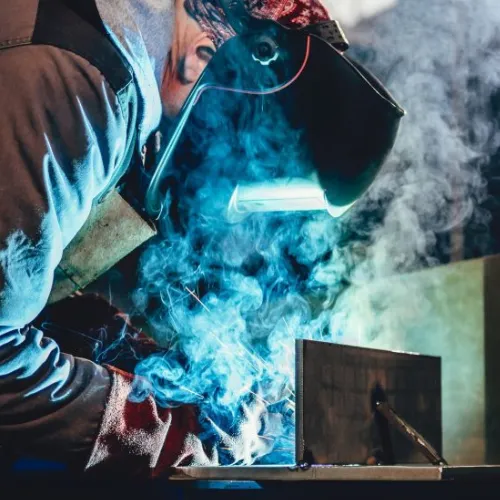
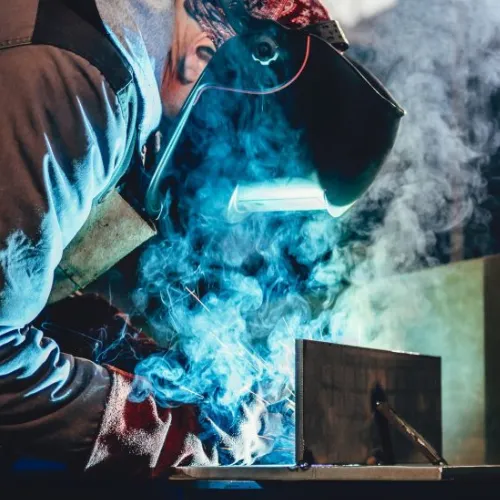
Modern workplaces are exposed to a wide range of invisible risks that can directly impact employee health and operational performance. Dust, welding fumes, gases, and airborne contaminants often go unnoticed until they begin to affect productivity or safety outcomes.
This is why air monitoring in workplace safety has become a critical part of modern industrial environments. Instead of relying on periodic checks, organisations now require continuous visibility of air conditions to ensure safer working environments.
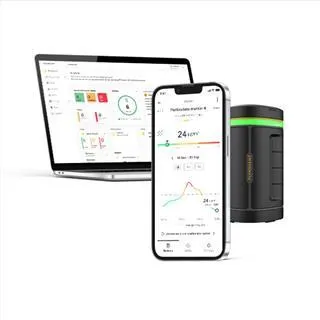
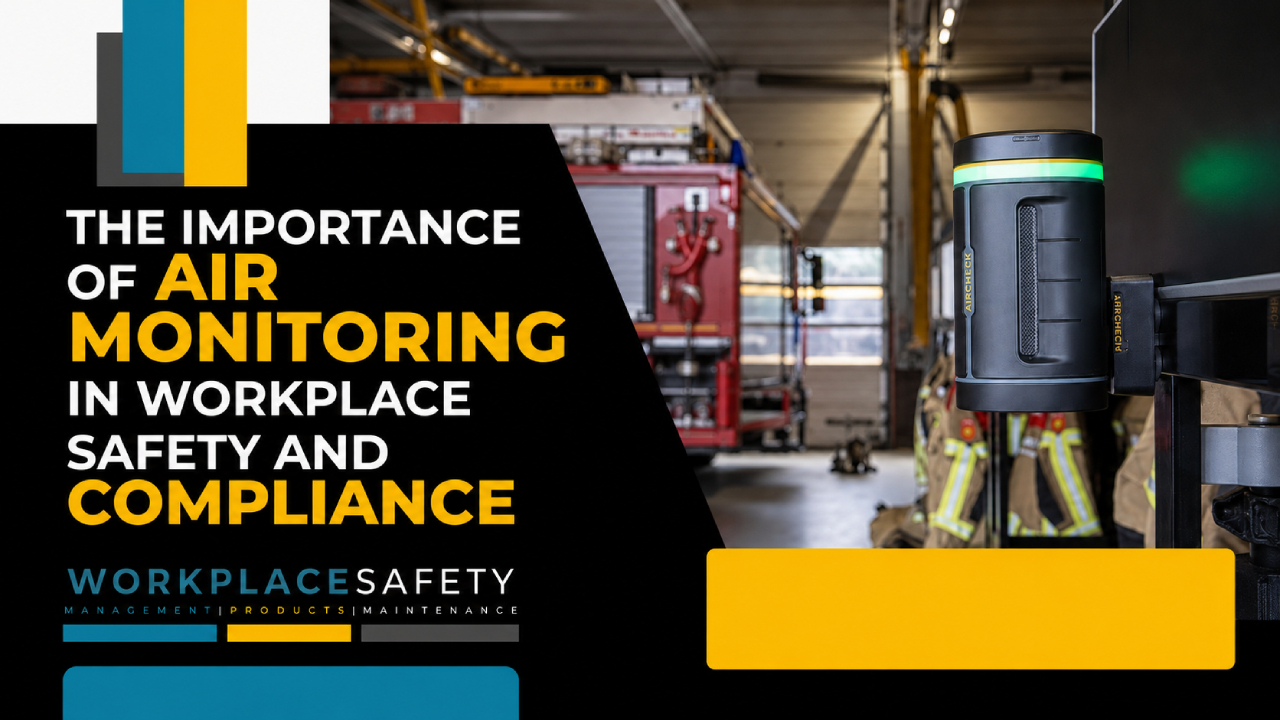
The Aeroguard by Plymovent, powered by Workplace Safety Management, is designed to support this need by providing real-time insight into workplace environments and helping businesses maintain safe and compliant operations.
How Air Quality Impacts Employee Health and Compliance
Airborne contaminants are a common challenge in manufacturing, engineering, fabrication, and maintenance environments. Every day, industrial processes can release fine particles and gases into the air, creating risks that are not always immediately visible.
When these conditions are not properly monitored, they can lead to reduced employee well-being, lower productivity, and compliance challenges. Maintaining strong workplace air quality is therefore essential for both safety and operational efficiency.
AeroGuard supports organisations by continuously monitoring environmental conditions and helping identify risks before they develop into larger safety concerns.
AeroGuard Air Quality Monitoring for Industrial Environments
The AeroGuard system is designed to provide complete industrial air monitoring across a wide range of working environments. It delivers continuous visibility of air conditions, allowing safety teams to understand exactly what is happening in real time.
Unlike basic monitoring tools, AeroGuard does not focus on a single measurement. Instead, it provides a combined view of environmental factors to create a more accurate understanding of workplace conditions.
This makes it a valuable tool for organisations aiming to improve workplace safety compliance while maintaining efficient operations.
AeroGuard as the Environmental Monitoring Hub
AeroGuard continuously tracks key environmental parameters that influence workplace safety. These include dust particles, CO₂ levels, VOC concentrations, temperature, humidity, air pressure, and noise levels.
All of this data is processed into a clear environmental overview that helps teams assess workplace air quality at any moment.
By providing this level of insight, AeroGuard transforms air monitoring from a reactive process into a proactive safety strategy.
Real-Time Visibility and Safety Response
One of the key advantages of AeroGuard is its ability to provide real-time updates on environmental conditions. This allows organisations to respond quickly when air quality changes, reducing exposure to harmful airborne substances.
When integrated into wider safety systems, the AeroGuard air quality monitor can support automated responses such as ventilation activation or extraction control adjustments. This ensures that air monitoring in workplace safety becomes an active part of environmental protection rather than just observation.
Key Benefits of AeroGuard in the Workplace
Implementing AeroGuard delivers clear operational and safety advantages:
Continuous detection of airborne hazards
Improved workplace air quality control
Faster safety response times
Stronger workplace safety compliance reporting
Reduced downtime and disruptions
Better employee wellbeing and comfort
Supporting Compliance and Environmental Reporting
Regulatory requirements increasingly expect organisations to demonstrate control over workplace environmental conditions. AeroGuard supports this by automatically recording air quality data over time.
This historical data can be used to support safety audits, compliance documentation, and internal risk assessments. It also helps organisations identify long-term environmental trends and take preventative action where needed.
As a result, industrial air monitoring becomes easier to manage and more reliable.
Applications Across Industrial Workplaces
AeroGuard is suitable for a wide range of environments where airborne risks are present. This includes manufacturing facilities, engineering workshops, welding and fabrication areas, warehouses, logistics centres, and maintenance operations.
In all these environments, continuous air monitoring in workplace safety plays an important role in protecting workers and maintaining operational efficiency. The AeroGuard monitor is built to meet these demands across all of these settings.
Strengthening Workplace Safety Culture
Beyond compliance and monitoring, AeroGuard also contributes to a stronger safety culture. When employees are aware that air quality is continuously monitored, it increases awareness and trust in workplace safety systems.
Managers also benefit from better visibility of environmental conditions, allowing them to make faster and more informed decisions. This encourages a more proactive approach to safety rather than a reactive one.
Creating Safer Workplaces Through Air Monitoring
Air quality is now a fundamental part of the workplace safety strategy. With increasing awareness of airborne risks, organisations are moving towards continuous monitoring solutions to ensure safer and more controlled environments.
The AeroGuard air quality monitor supports this shift by improving workplace air quality, strengthening workplace safety compliance, and enabling more advanced industrial air monitoring practices.
By integrating real-time environmental insight into daily operations, organisations can create safer, more efficient, and more reliable workplaces.
Conclusion
The Aeroguard by Plymovent, powered by Workplace Safety Management, provides a modern solution for managing airborne risks in industrial environments. It supports continuous air monitoring in workplace safety, improves workplace air quality, and strengthens workplace safety compliance through real-time environmental insight.
By moving from reactive checks to continuous monitoring, organisations can better protect employees and improve overall operational performance.
Frequently Asked Questions
1. What is air monitoring in workplace safety?
Air monitoring in workplace safety involves measuring airborne contaminants such as dust, fumes, gases, and VOCs. It helps organisations maintain safe working conditions and protect employee health.
2. Why is workplace air quality important?
Good workplace air quality supports employee wellbeing, productivity, and comfort. It also helps reduce exposure to harmful airborne contaminants and safety risks.
3. How does AeroGuard improve workplace air quality?
AeroGuard continuously monitors environmental conditions in real time. This allows businesses to identify air quality issues quickly and take corrective action.
4. What industries benefit from industrial air monitoring?
Manufacturing, engineering, welding, fabrication, warehousing, and maintenance facilities benefit from industrial air monitoring. It helps manage airborne hazards and improve safety.
5. How does real-time monitoring support workplace safety compliance?
Real-time monitoring provides continuous environmental data that helps organisations demonstrate control over workplace conditions. It also supports audits and compliance reporting.
6. What does AeroGuard monitor?
AeroGuard tracks dust levels, CO₂, VOCs, temperature, humidity, air pressure, and noise. This provides a complete overview of workplace environmental conditions.
7. Can air monitoring reduce workplace risks?
Yes. Continuous monitoring helps identify airborne hazards early, allowing organisations to respond quickly and minimise employee exposure.
8. How does AeroGuard help with safety audits?
AeroGuard automatically records environmental data over time. This information can be used for compliance documentation, audits, and risk assessments.
9. What are the benefits of continuous industrial air monitoring?
Continuous monitoring improves workplace air quality, enhances compliance, supports faster responses to hazards, and promotes employee wellbeing.
10. Why are businesses investing in workplace air monitoring systems?
Businesses are adopting air monitoring systems to improve safety, strengthen compliance, and gain real-time visibility of environmental conditions within the workplace.