




Do Portable Dust Extractors Need LEV Testing? Full Guide
Quick summary:
Yes, in many cases. If a portable dust extractor is used as on-tool extraction to control hazardous dust at the source, such as sanding, cutting, grinding, or drilling, it counts as Local Exhaust Ventilation (LEV) under HSE guidance. This means it may legally require a Thorough Examination and Test (TExT) under COSHH Regulation 9, usually at least every 14 months. This guide explains when portable dust extractor LEV testing applies, what the test involves, and how to stay compliant.
Many businesses treat their portable dust extractor like an ordinary site vacuum. It gets switched on, used for the job, then packed away. But if that extractor is controlling hazardous dust at the point it is created, the law sees it differently. Portable dust extractor LEV testing is not just a good idea. In the right circumstances, it is a legal requirement, and skipping it can leave your workforce exposed and your business non-compliant.
What Counts as Portable LEV?
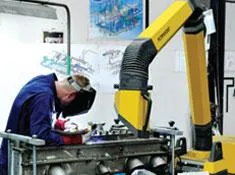
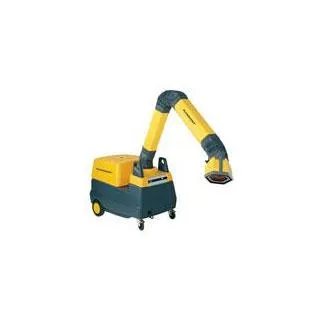
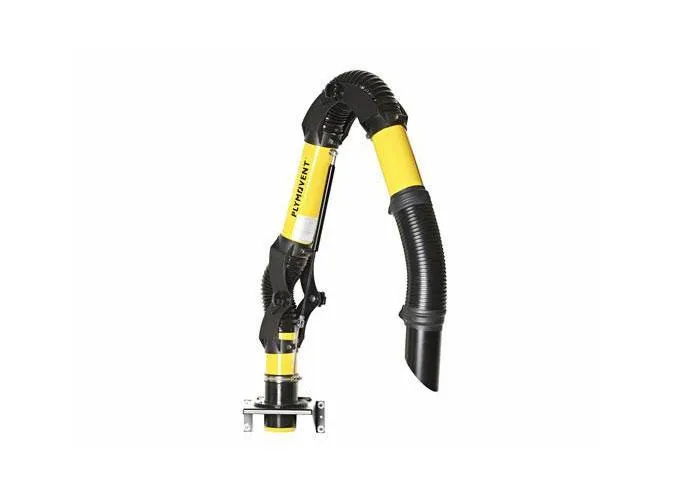
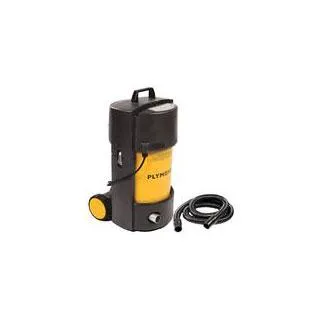
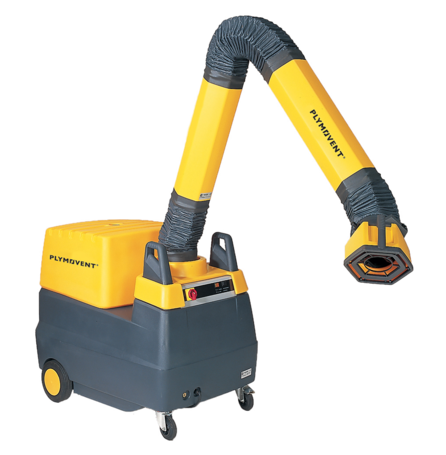
Portable LEV refers to mobile extraction equipment designed to capture dust, fumes, or other airborne contaminants close to where they are created. This is different from a standard vacuum cleaner used purely for tidying up. Common examples of portable dust extractor use that fall under LEV rules include extraction connected directly to tools during:
Sanding and grinding
Cutting and chasing
Drilling
Woodworking
Concrete work
According to the HSE, on-tool extraction is a recognised form of LEV. That means the same legal duties that apply to a large fixed LEV system can apply to a single portable unit sitting on a workbench.
Does My Portable Dust Extractor Need LEV Testing?
The short answer is yes, if it is being used to control hazardous dust at the source rather than for general cleaning. The key question is not what the machine is called or how it looks. It is how the equipment is actually being used on site.
If your portable dust extractor is used for tasks involving silica dust, MDF dust, hardwood dust, softwood dust, brick dust, or concrete dust, portable dust extractor LEV testing almost certainly applies. These dusts carry serious health risks, including respiratory disease and, in some cases, cancer, which is exactly why HSE guidance treats on-tool extraction so seriously.
Why Portable Dust Extractor LEV Testing Matters
Skipping testing is not just a paperwork risk. A portable dust extractor with the wrong filter, a damaged seal, or a poorly fitted attachment can pick up dust from the tool and then release fine particles straight back into the air your team breathes. This defeats the entire purpose of the equipment and can quietly expose workers to harmful dust for months without anyone noticing.
Regular portable dust extractor LEV testing catches these issues before they become a health problem. It also protects your business, since HSE enforcement action and liability claims are real risks for employers who cannot show their extraction equipment is properly maintained and tested.
How Often Should Portable Dust Extractors Be Tested?
Under COSHH Regulation 9, most LEV systems, including portable units used as on-tool extraction, need a Thorough Examination and Test at least once every 14 months. However, this is a maximum interval, not a fixed rule for every situation. Higher-risk or heavily used equipment may need testing more often.
For a deeper look at how testing frequency is decided, our guide to LEV testing services explains how accredited engineers assess risk level alongside the standard interval.
What Happens During a Thorough Examination and Test
A proper Thorough Examination and Test goes well beyond checking that the machine switches on. During portable dust extractor LEV testing, a qualified engineer will typically check:
Filter condition – Confirming filters are the correct class and not damaged or worn
Airflow performance – Measuring capture velocity to ensure dust is actually being controlled
Seals and connections – Checking hoses, couplers, and tool connections for leaks
Overall system fit for purpose – Confirming the extractor matches the hazard it is being used for
This is why using an accredited engineer matters. Our dust extraction services are delivered by BOHS-accredited engineers who understand exactly what a compliant test looks like, not just a quick visual check.
Common Mistakes That Undermine Compliance
Even businesses that book regular testing sometimes run into trouble because of small, overlooked issues. Watch for:
Using the wrong filter class for the dust hazard
Mismatched tool-to-hose connections that leak fine dust
Assuming an insurance inspection covers LEV compliance (it often does not)
Treating a portable unit as "just a vacuum" rather than a controlled piece of safety equipment
Insurance inspections frequently highlight a problem without actually carrying out maintenance or remedial work, which can leave a dangerous gap between knowing about an issue and fixing it.
Who Needs to Think About This Right Now?
If your business involves sanding, cutting, grinding, drilling, woodworking, or concrete work anywhere in the Midlands, portable dust extractor LEV testing should already be part of your compliance plan. This applies just as much to a small workshop with one extractor as it does to a full manufacturing floor with multiple units.
According to the Health and Safety Executive, LEV systems must be maintained in an efficient state and thoroughly examined and tested at suitable intervals to remain legally compliant, a requirement that applies directly to on-tool portable extraction.
Book Your Portable Dust Extractor LEV Testing Today
Getting portable dust extractor LEV testing right protects your workforce and keeps your business firmly on the right side of COSHH regulations. Whether you have one portable unit or a whole fleet across multiple sites, our BOHS P601/P602-accredited engineers can assess, test, and certify your equipment properly the first time.
Contact Workplace Safety Management today to book your portable dust extractor LEV testing and get clear, honest guidance on what your equipment actually needs.
Frequently Asked Questions
Do portable dust extractors legally need LEV testing?
Yes, if they are used as on-tool extraction to control hazardous dust at source. This falls under LEV requirements and may need a Thorough Examination and Test under COSHH Regulation 9.
How often should a portable dust extractor be tested?
At least once every 14 months under COSHH, though higher-risk or heavily used equipment may need more frequent testing.
Is a portable dust extractor the same as a regular vacuum?
No. A regular vacuum is for general cleaning. A portable dust extractor used for on-tool extraction is controlling a health hazard at source and is treated as LEV under HSE guidance.
What happens if I skip portable dust extractor LEV testing?
You risk exposing staff to harmful dust without realizing it, and you leave your business open to HSE enforcement action and liability claims if an incident occurs.
Can insurance inspections replace LEV testing?
Not reliably. Insurance inspections often flag a general issue without carrying out the maintenance or specific testing a proper Thorough Examination and Test requires.