






Emergency LEV Call-Out: What to Expect & Why It Matters
Quick summary:
An emergency LEV call-out happens when a Local Exhaust Ventilation system suddenly stops working or makes strange noises, putting staff and compliance at risk. Workplace Safety Management sends BOHS P601/P602-accredited engineers to inspect, diagnose, and fix the issue fast. This guide explains the warning signs, what an emergency LEV call-out involves, and how regular testing prevents most emergencies before they start.
Every workplace with dust, fumes, or airborne contaminants depends on its Local Exhaust Ventilation (LEV) system running properly. When that system fails, it is not just an inconvenience. It becomes a safety and compliance issue that needs fast action. That is exactly what an emergency LEV call-out is for.
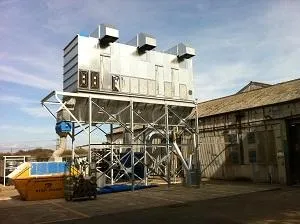
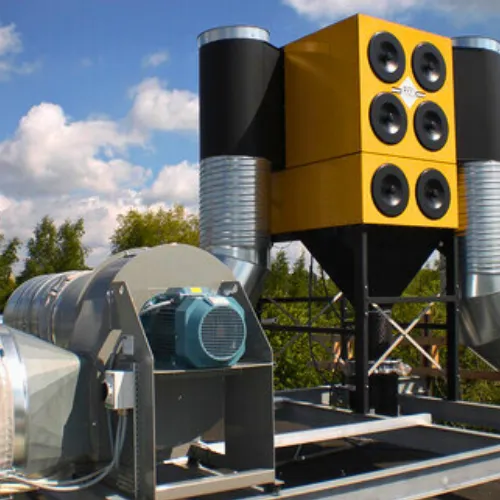
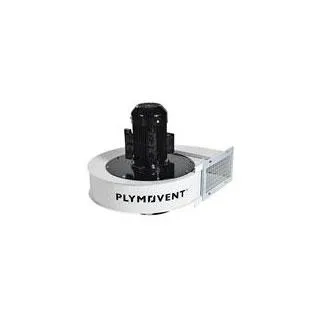
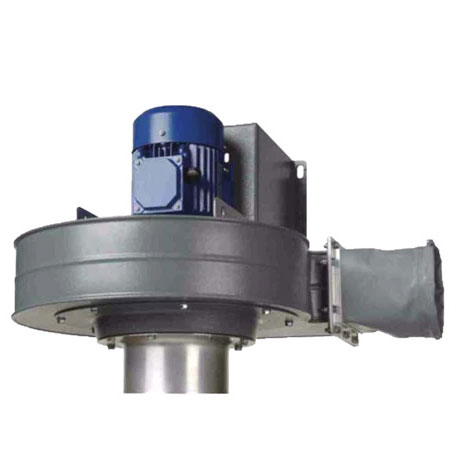
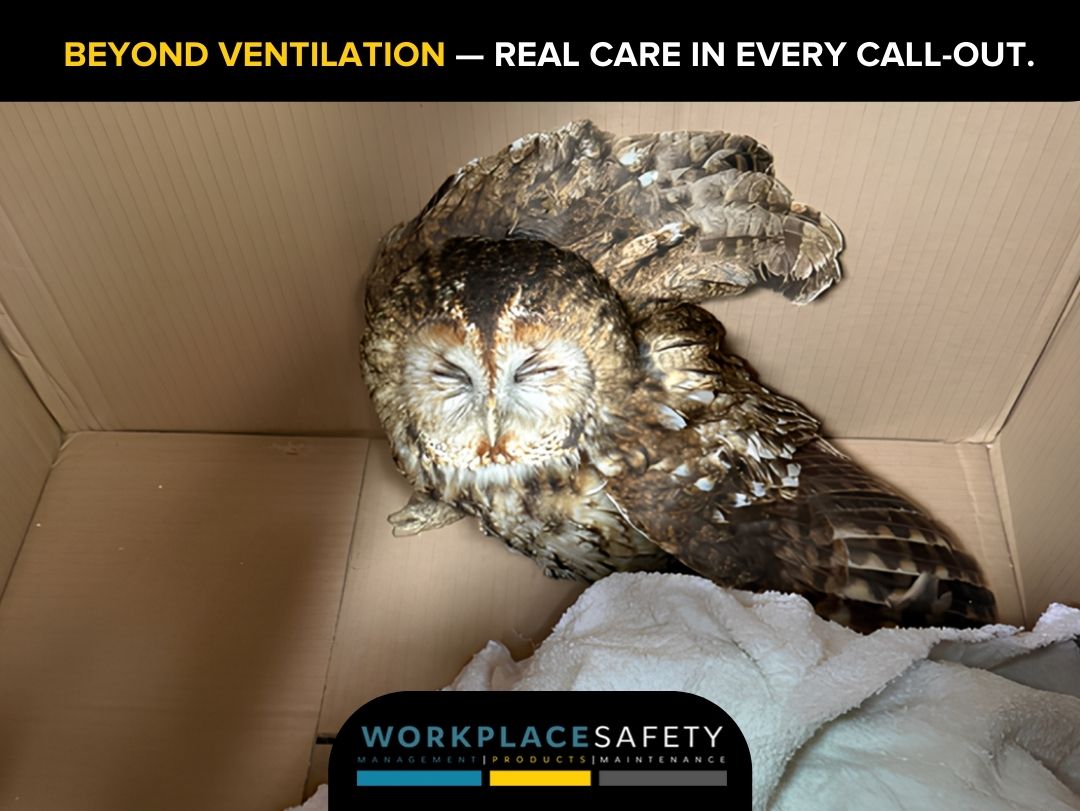
At Workplace Safety Management, we recently handled an emergency LEV call-out that reminded us why rapid response matters so much. A client heard strange crying noises coming from their extraction fan and worried a small animal had gotten stuck inside. Our engineers arrived quickly to investigate and found a young owl trapped in the fan housing. The bird was safely rescued, checked by a local vet, and released back into the wild unharmed.
This story might sound unusual, but it shows exactly what every emergency LEV call-out should look like: fast response, careful investigation, and a safe outcome for people, equipment, and even wildlife.
What Is an Emergency LEV Call-Out?
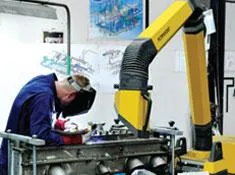
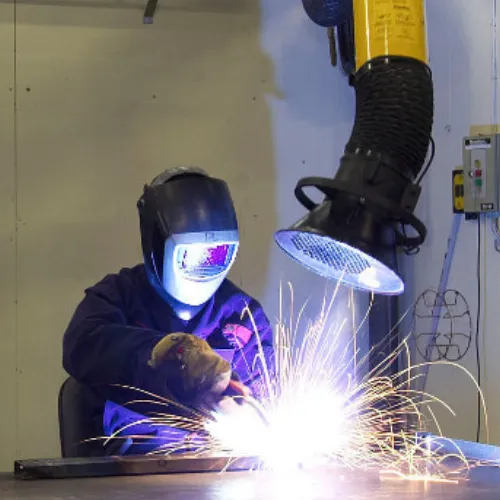
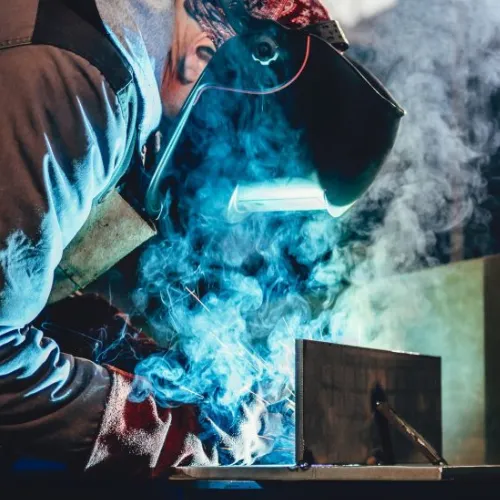
An emergency LEV call-out is an urgent visit from a qualified engineer when your ventilation system shows signs of failure. This could mean strange noises, reduced airflow, a blocked duct, or a fan that has stopped working completely. Since LEV systems remove hazardous dust and fumes from the air, any breakdown puts your staff at risk and can put your business out of compliance with HSE rules.
Unlike routine maintenance, an emergency LEV call-out is unplanned. It happens when something goes wrong right now and needs a same-day or next-day response from trained engineers.
Signs You Need an Emergency LEV Call-Out
Knowing the warning signs early can help you act before a small problem turns into a bigger one. Watch for:
Unusual noises coming from fans, ducts, or filter units
A sudden drop in suction or airflow
Visible dust or fumes escaping into the workspace
Warning lights or alarms on the control panel
A burning smell or overheating motor
If you notice any of these signs, do not wait. Contact a professional team for an emergency LEV call-out right away, since delays can mean higher repair costs and greater safety risk.
What Happens During an Emergency LEV Call-Out
When you call for an emergency LEV call-out, a qualified engineer is dispatched as quickly as possible to your site. Here is what to expect:
Rapid Response – Our engineers arrive promptly once the call-out is booked.
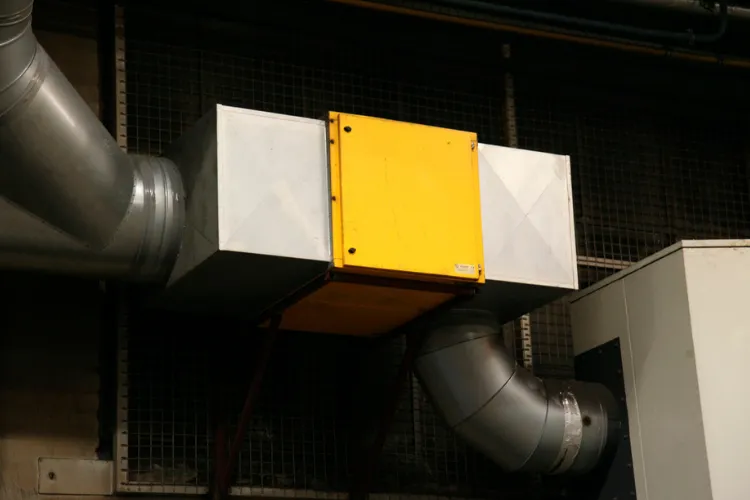
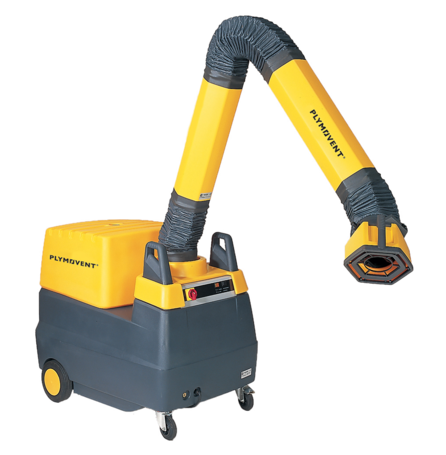
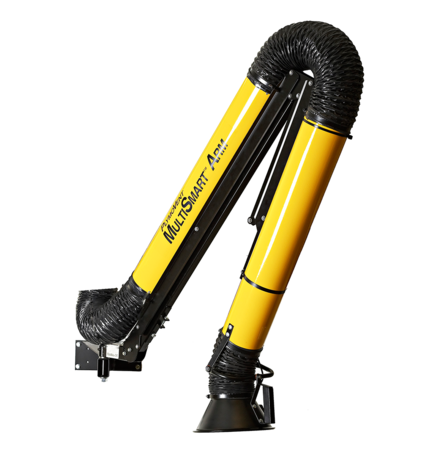
Full Investigation – Every part of the system is checked, including ducts, filters, and fan housing.
Safe Resolution – Any fault is fixed on site where possible, with staff and equipment kept safe throughout.
Clear Reporting – You receive a written report explaining what was found and what steps prevent it from happening again.
This is the same process our team followed during the owl rescue call-out. Even in an unusual situation, the priority stayed the same: protect people, protect the system, and resolve the problem safely.
Why This Story Matters for Every Workplace
The owl rescue is a fun story, but it carries a serious point. Ventilation faults do not always look the way you expect. Sometimes it is a blocked filter. Sometimes it is a worn-out fan motor. And sometimes, it is something completely unexpected. A reliable emergency LEV call-out service needs to be ready for anything, not just the usual faults.
This is why working with BOHS P601 and P602 accredited engineers matters. Trained professionals know how to investigate safely, protect your equipment, and get your system back online with minimal downtime.
How Regular LEV Testing Prevents Emergencies
The best way to avoid an emergency LEV call-out is through regular testing and maintenance. Under COSHH regulations, most LEV systems need a full inspection at least every 14 months, though high-risk sites like chemical plants or labs may need more frequent checks.
Routine care includes:
Monthly visual inspections for wear or blockages
Filter cleaning or replacement
Fan and motor checks
Duct cleaning to prevent buildup
Recommended system upgrades where needed
Businesses that stay on top of testing rarely face surprise breakdowns. It also keeps your workplace compliant and helps you avoid legal penalties tied to failed inspections.
If your site handles vehicle exhaust fumes as well as general dust and fumes, it is worth checking your vehicle exhaust extraction system alongside your main LEV setup, since both systems work together to protect air quality.
Preparing Your Team for Ventilation Emergencies
Being ready for an emergency LEV call-out is not just about who you call. It is also about training your own staff to spot problems early. Simple steps make a big difference:
Train staff to notice strange noises or reduced airflow
Keep a record of past inspections and repairs
Know who to contact the moment something feels wrong
Do not delay reporting issues, since small faults grow fast
According to the Health and Safety Executive, controlling exposure to hazardous substances at the source is one of the most effective ways to protect worker health, which is exactly what a properly functioning LEV system does.
Book Your Emergency LEV Call-Out or Annual Test Today
Whether you need an urgent emergency LEV call-out or your annual compliance test is coming up, Workplace Safety Management is ready to help. Our BOHS P601/P602-accredited engineers serve Leicester, Nottingham, Derby, and the wider Midlands, handling everything from routine testing to unexpected emergencies, wildlife rescues included.
Contact our team today to book a no-obligation quote or schedule your LEV test before a small issue becomes a bigger emergency.
Frequently Asked Questions
What counts as an emergency LEV call-out?
Any sudden fault, unusual noise, or failure in your LEV system that needs urgent attention rather than scheduled maintenance.
How fast can an engineer respond to an emergency LEV call-out?
Workplace Safety Management aims to respond as quickly as possible, often the same day, depending on your location and the nature of the fault.
Can an emergency LEV call-out handle unusual problems like trapped animals?
Yes. Our team is trained to safely manage both standard faults and unexpected situations, including wildlife trapped inside ventilation systems.
How often should LEV systems be tested to avoid emergencies?
Most systems need testing every 14 months under COSHH rules, though high-risk environments may need more frequent checks.
Who is qualified to carry out LEV testing and emergency repairs?
Only BOHS P601 and P602 accredited engineers should carry out LEV testing and emergency call-outs to ensure full compliance and safety.