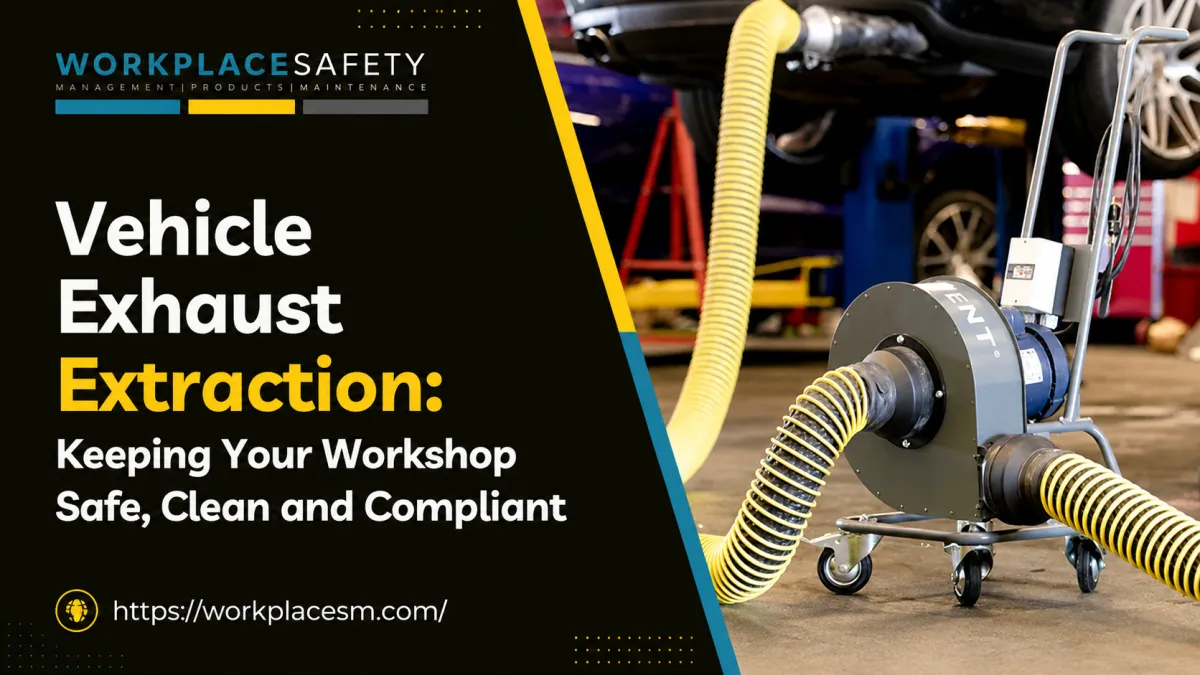
Vehicle Exhaust Extraction: Keeping Your Workshop Safe, Clean and Compliant
Vehicle Exhaust Extraction: Keeping Your Workshop Safe, Clean and Compliant
Vehicle exhaust extraction plays an essential role in controlling harmful exhaust fumes in garages, vehicle repair workshops, haulage depots and fleet maintenance facilities. When vehicles are running indoors, exhaust emissions can quickly build up, creating risks for employee health, workplace air quality and compliance.
In vehicle repair environments, keeping your team protected should always be a priority. While businesses focus on maintaining vehicles, equipment and workshop facilities, effective vehicle exhaust extraction is another important part of creating a safe working environment.
Exhaust fumes are an unavoidable part of working with running vehicles. Without suitable extraction, these fumes can accumulate within the workshop and expose employees to unnecessary airborne contaminants.
This guide explores why vehicle exhaust extraction matters, how extraction systems capture fumes at source, and how regular maintenance, LEV testing and servicing can help keep your workshop safe, compliant and operating effectively.
Why Effective Vehicle Exhaust Extraction Matters
Vehicle repair and haulage workshops are busy environments. Running engines produce exhaust fumes that can quickly build up indoors, particularly in enclosed bays and poorly ventilated areas. Without effective vehicle exhaust extraction, this can create several serious problems.
1. Protecting Your Workforce
Workshop employees can spend hours working around running vehicles. Exposure to exhaust fumes can lead to:
Poor indoor air quality
Irritation and breathing difficulties
Discomfort and fatigue
Increased exposure to harmful airborne contaminants
Effective vehicle exhaust extraction captures fumes at the source, helping to create a cleaner and safer working environment for your team.
2. Keeping Workshops Clean and Efficient
Vehicle exhaust fumes can spread throughout a workshop if they aren't properly controlled. This can:
Reduce overall air quality
Create unpleasant working conditions
Allow fumes to travel into other areas of the facility
Affect the comfort and productivity of employees
A suitable extraction system helps control emissions where they are produced, keeping the workshop environment cleaner and more comfortable.
3. Compliance and Workplace Safety
Effective extraction is an important part of managing airborne contaminants in vehicle repair environments. Regular inspection, maintenance and LEV testing can help businesses ensure their systems continue to perform effectively and support their COSHH and HSG258 requirements.
Compliance isn't simply about having an extraction system installed — it's about making sure the system is suitable, maintained and working effectively. Regular servicing and testing can help identify problems before they become bigger issues and keep your workshop safer and better prepared for inspections.
How LEV Systems Deliver Effective Vehicle Exhaust Extraction
Local Exhaust Ventilation (LEV) systems are the backbone of effective vehicle exhaust extraction. They capture harmful exhaust fumes directly at the source, whether that's a car, HGV, van, bus or other vehicle, before emissions can spread throughout the workshop.
Key areas where LEV supports vehicle exhaust extraction include:
Vehicle repair and servicing bays
HGV and haulage workshops
Fleet maintenance facilities
MOT and inspection areas
Workshops where vehicles are regularly run indoors
The benefits can be significant:
Reduced levels of exhaust fumes in the workshop
Improved indoor air quality
Cleaner and more comfortable working environments
Better protection for employees
Support for COSHH and HSG258 requirements
LEV systems aren't simply a compliance box to tick. They're a practical investment in workplace safety. Capturing exhaust emissions at source helps prevent fumes from spreading throughout the workshop, while regular maintenance and testing helps ensure the system continues to perform effectively.
How Workplace Safety Management Supports Vehicle Workshops
Getting vehicle exhaust extraction right takes ongoing expertise, not just a one-off installation. Our team supports garages, haulage depots and fleet workshops with:
New LEV Installations: Tailored vehicle exhaust extraction systems designed around your workshop layout and vehicle requirements.
System Upgrades: Replacing outdated or underperforming extraction with modern, effective solutions.
Spare Parts Supply: Hoses, nozzles and genuine components to help minimise downtime. Plymovent Vehicle Exhaust Extraction Systems | Clean Air Solutions for Workshops & Garages
COSHH Testing and Reporting: LEV testing and documentation to support compliance and keep your records up to date. LEV Testing & COSHH Compliance across the Midlands | WSM
Ongoing Maintenance: Regular servicing and repairs to keep your extraction system performing effectively.
Air quality testing-At Workplace Safety Management, we provide live air quality monitoring using AeroGuard, helping businesses gain a clearer understanding of the air quality within their workshop. AeroGuard provides real-time monitoring of airborne contaminants, allowing you to identify changes in air quality and potential areas of concern. The system provides live data and reporting, giving you greater visibility of your workplace environment and helping you make informed decisions about your extraction and ventilation systems. Plymovent Product Workplace Safety Management Official Store
Whether you need a new vehicle exhaust extraction system, repairs to an existing system, or regular LEV testing, Workplace Safety Management can support you throughout the life of your system.
Signs Your Workshop Needs Better Vehicle Exhaust Extraction
Not every exhaust extraction problem is obvious straight away. Watch for:
Visible exhaust fumes lingering in workshop areas
Strong exhaust smells while vehicles are running
Staff reporting irritation, discomfort or breathing difficulties
Extraction hoses or nozzles that are damaged or not positioned correctly
Extraction systems that appear to be underperforming
Increasing concerns around COSHH or LEV compliance
If any of these sound familiar, it's worth arranging a professional inspection and LEV assessment before a small extraction issue becomes a bigger workplace safety or compliance problem.
Frequently Asked Questions
What is vehicle exhaust extraction?
Vehicle exhaust extraction refers to systems such as LEV that capture harmful exhaust fumes directly at the source, helping to control air quality and maintain a safer working environment in vehicle workshops.
Why is exhaust extraction important in vehicle workshops?
Effective exhaust extraction helps protect staff from exposure to vehicle fumes, improves workshop air quality and supports workplace safety and compliance requirements.
What are LEV systems and how do they help?
LEV, or Local Exhaust Ventilation, systems capture exhaust fumes at the source before they can spread throughout the workshop. This helps reduce airborne contaminants and maintain cleaner working conditions.
How often should vehicle exhaust extraction systems be maintained?
Regular maintenance and LEV testing help ensure extraction systems continue to operate effectively. Testing and maintenance should be carried out in line with relevant requirements. COSHH requires LEV tests to be carried out every 14 months, possibly more if set out in HSG258 Schedule 4 regulations regarding substances such as metal grinding.
Can better exhaust extraction improve the working environment?
Yes. Effective vehicle exhaust extraction can reduce fumes and unpleasant odours, improve air quality and create a cleaner, more comfortable and safer environment for workshop staff.
