



Food Production Ventilation: Safety, Quality & Compliance
Quick summary:
Food production ventilation controls the airborne dust, steam, and allergens that build up in bakeries, ready-meal facilities, and manufacturing lines. Poor air quality can contaminate products, harm staff health, and trigger audit failures. This guide explains why food production ventilation matters, how LEV systems solve the problem at the source, and what steps keep your facility safe, compliant, and audit ready.
In food production, hygiene and safety are never optional. Most businesses focus heavily on equipment cleaning, surface sanitisation, and temperature control. But one factor often gets overlooked even though it shapes everything else: food production ventilation. Poor air quality can affect your workforce, compromise your products, threaten compliance, and quietly damage your reputation.
Airborne dust, allergens, odours, and steam are a normal part of food facilities. Without proper food production ventilation, these contaminants build up fast, creating risks that go well beyond discomfort. They can put food safety and daily operations at risk.
Why Clean Air Matters in Food Production
Food facilities are complex environments. Flour, sugar, spices, and fine powders become airborne easily, alongside steam, oils, and cleaning chemicals. Without effective food production ventilation, this creates several serious problems.
1. Product Contamination Risk
Airborne particles settle on food, packaging, and surfaces, raising contamination risk. This can:
Reduce product quality and shelf life
Trigger costly recalls
Damage brand reputation with retailers and consumers
Contamination doesn't just affect one batch. It can halt entire production lines, force product recalls, and demand extensive quality checks, all of which cost time and money. Repeated issues slowly erode consumer trust. Strong food production ventilation is a proactive way to avoid these setbacks before they start.
2. Staff Health and Comfort
Food production staff are often on their feet for full shifts. Dust, fumes, and strong odours can cause:
Irritation and breathing difficulties
Fatigue and general discomfort
Higher absenteeism and lower productivity
Poor air quality doesn't just affect comfort. It can lead to genuine respiratory issues and higher staff turnover. Tired, uncomfortable workers are also more likely to make mistakes that compromise food safety. Investing in food production ventilation supports both staff wellbeing and consistent production standards.
3. Compliance and Audit Readiness
Food safety standards increasingly look at environmental controls, air quality included. Without proper food production ventilation, facilities risk:
Audit red flags
Difficulty meeting regulatory requirements
Problems satisfying retailers and brand clients with strict hygiene demands
Compliance isn't only about avoiding fines. It's proof of a consistent commitment to food safety. Auditors increasingly look at the full environment, not just surfaces and equipment. Solid food production ventilation keeps you audit ready and builds trust with regulators and clients alike.
How LEV Systems Deliver Food Production Ventilation
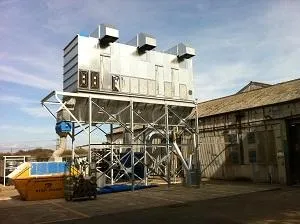
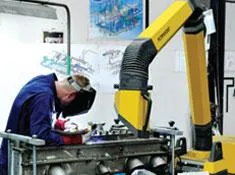
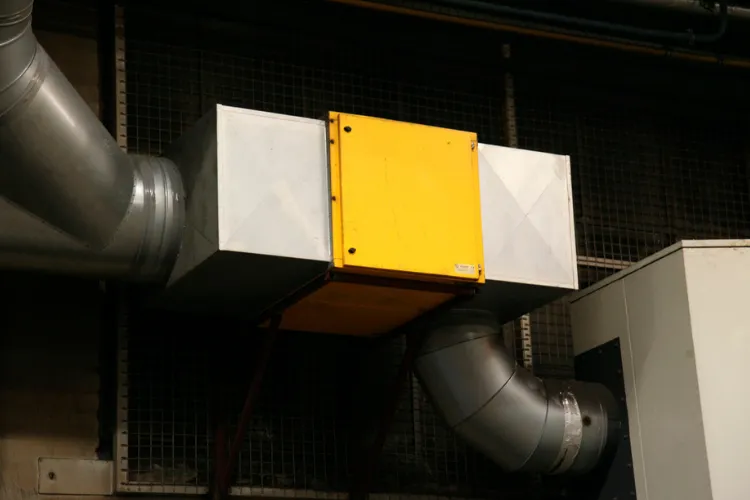
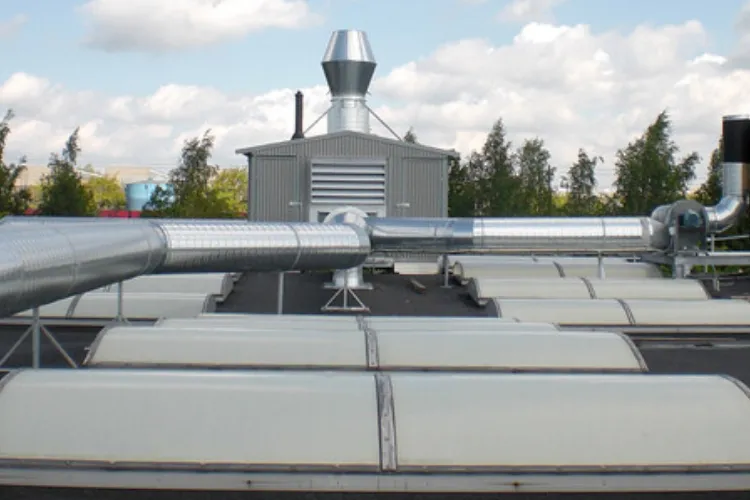
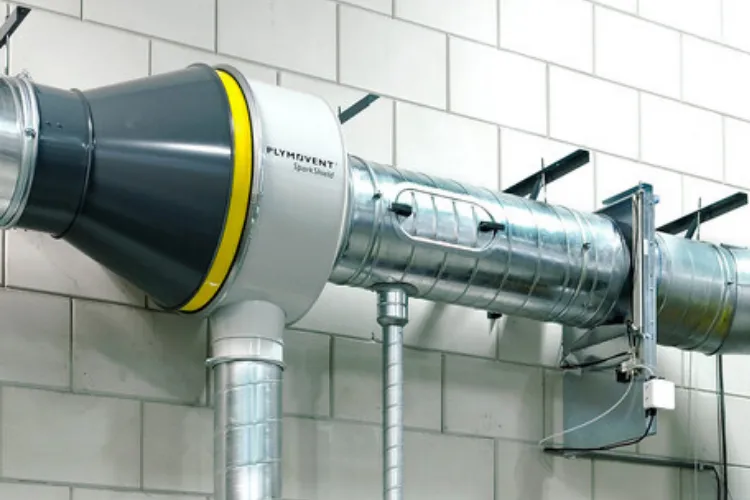
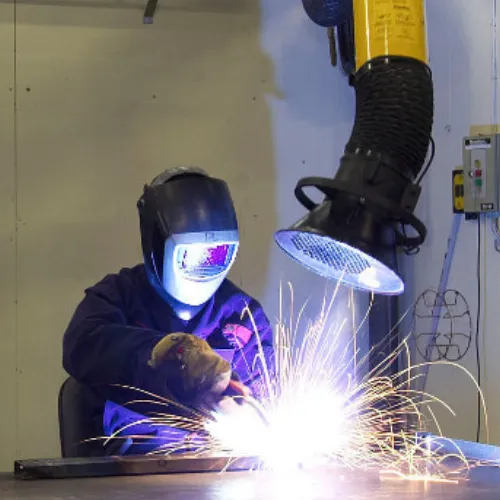
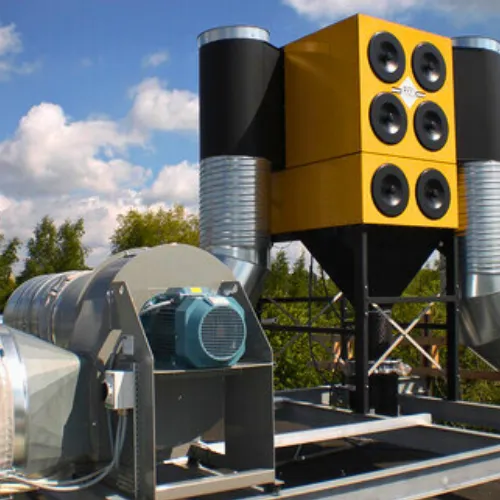
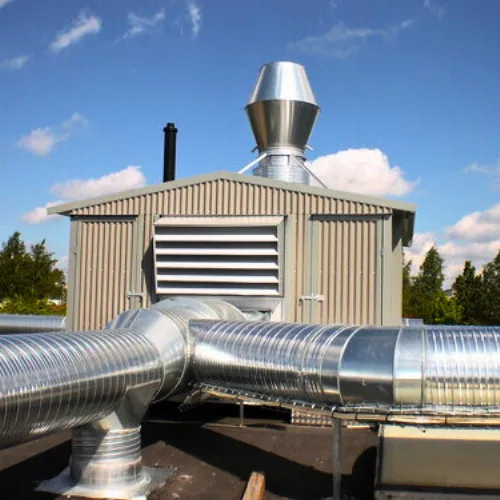
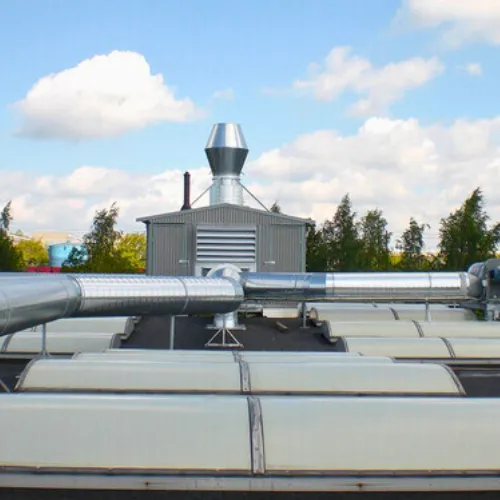
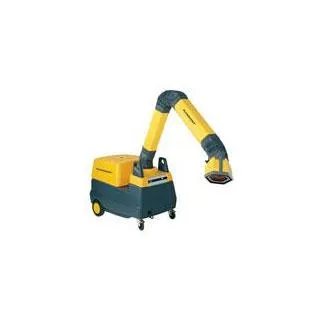
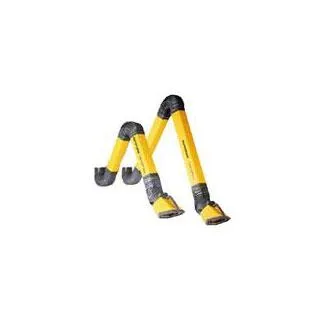
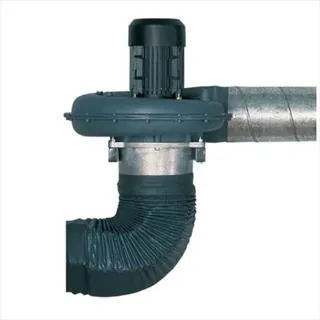
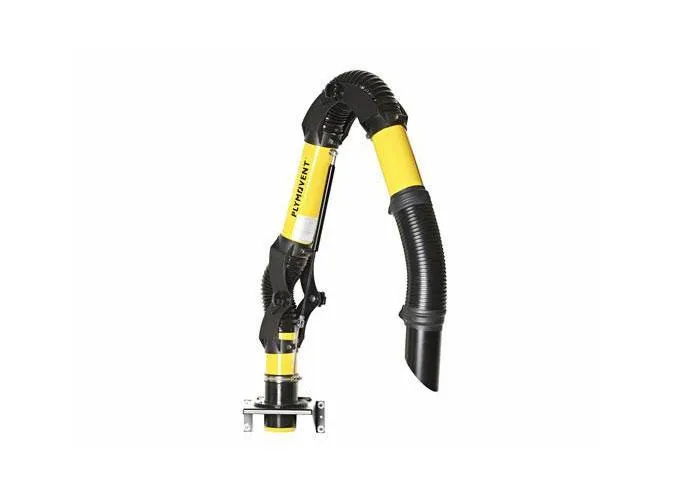
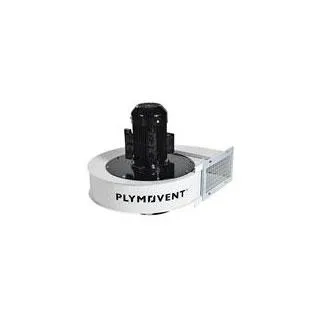
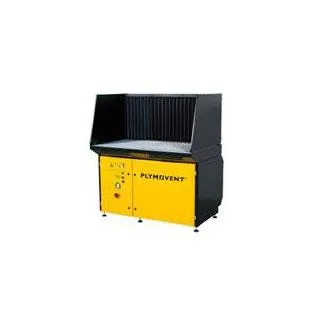
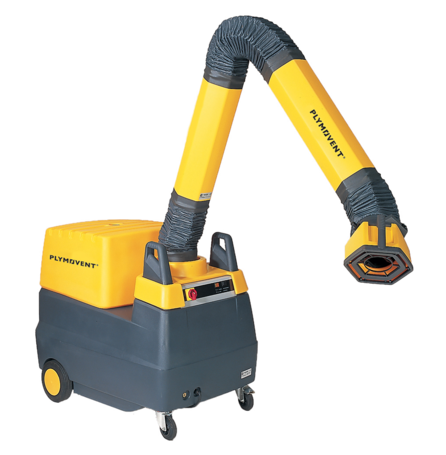
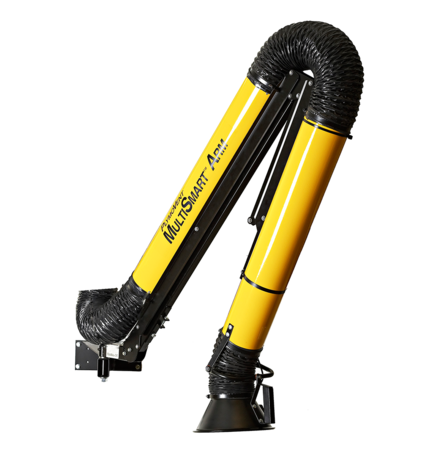
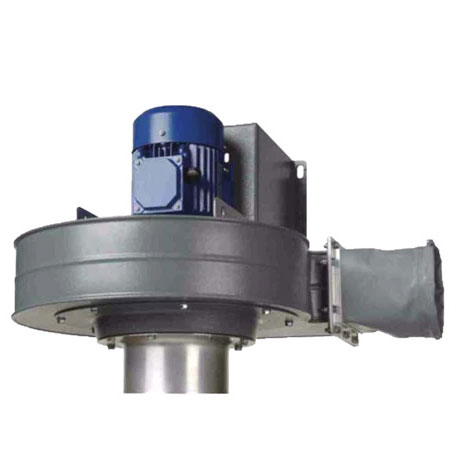
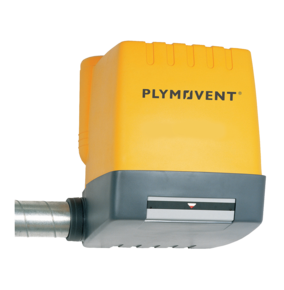
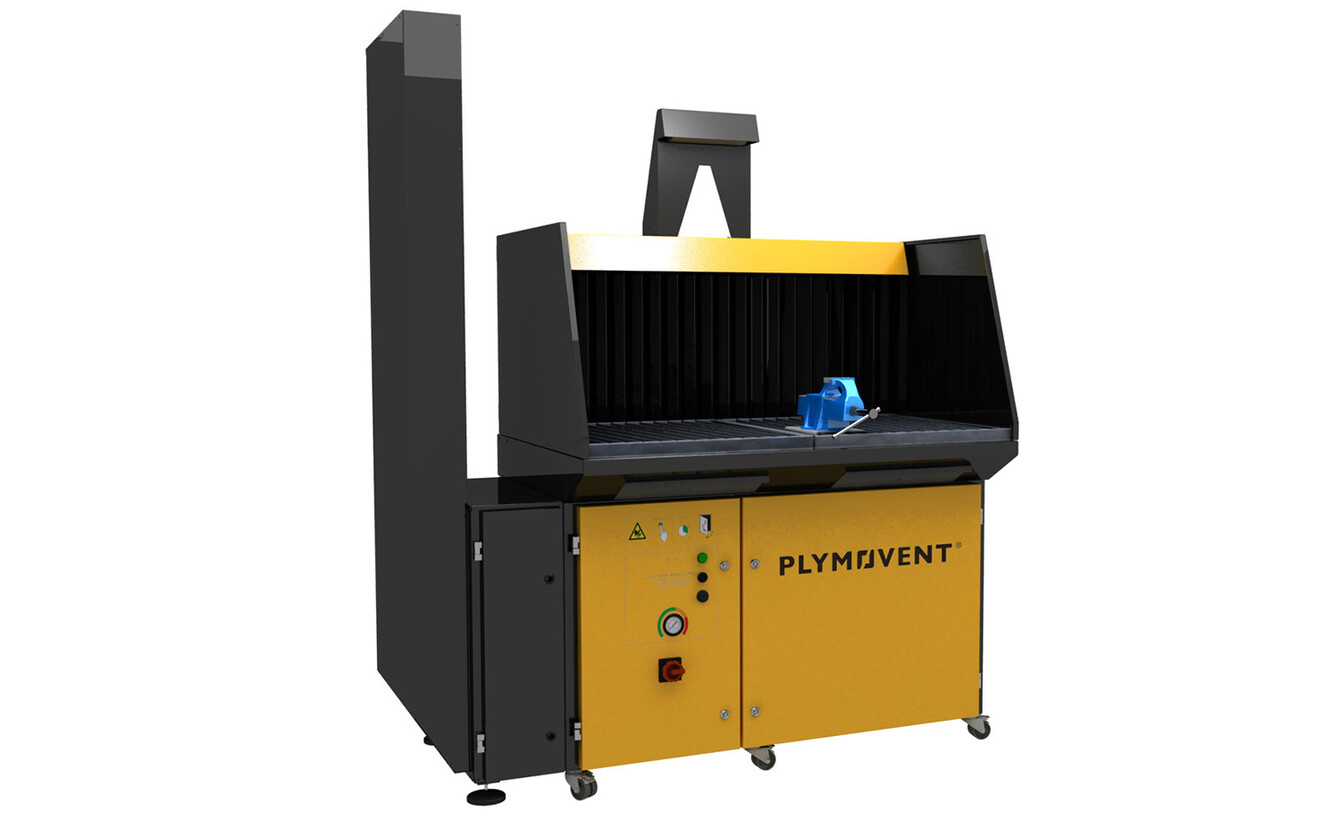
Local Exhaust Ventilation (LEV) systems are the backbone of effective food production ventilation. They capture contaminants right at the source, whether that's a mixing station, a bag tipping area, or a frying line, before those particles ever spread across the facility.
Key areas where LEV supports food production ventilation include:
Mixing stations
Bag tipping areas
Frying and cooking lines
The benefits show up quickly:
Lower dust and allergen levels in the air
Better control of steam, oils, and fumes
Cleaner surfaces and equipment
A more comfortable, safer environment for staff
LEV systems aren't just a compliance box to tick. They're a genuine investment. Controlling airborne contaminants reduces how often you need to clean, extends equipment lifespan, and creates a noticeably more pleasant place to work.
How Workplace Safety Management Supports Food Producers
Getting food production ventilation right takes ongoing expertise, not a one-off install. Our team supports facilities with:
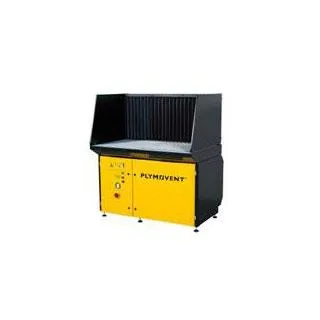
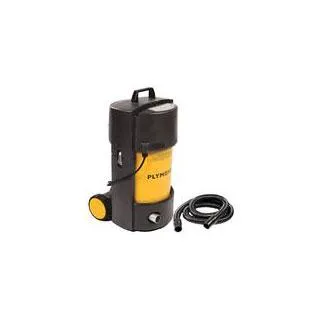
New LEV Installations: Tailored to your facility layout and specific processes. See our dust extraction systems built for high-particulate environments like bakeries and mixing lines.
System Upgrades: Replacing outdated or underperforming extraction with modern, efficient solutions.
Spare Parts Supply: Genuine parts for leading LEV brands to minimise downtime.
COSHH Testing and Reporting: Full documentation to support compliance and audit readiness.
Ongoing Maintenance: Keeping systems performing at their best, batch after batch.
For a deeper look at how allergen risks specifically tie into ventilation strategy, our guide on allergen control in food production covers the airborne allergen side of this in more detail.
Signs Your Facility Needs Better Ventilation
Not every ventilation problem is obvious right away. Watch for:
Visible dust or steam lingering in production areas
Staff reporting fatigue, irritation, or breathing discomfort
Increasing product rejections or quality complaints
Audit findings that flag air quality or environmental controls
If any of these sound familiar, it's worth booking a professional review before a small issue becomes a bigger compliance problem.
Why Food Production Ventilation Protects Your Brand
Your brand depends on trust. Customers expect safe, high-quality products every single time. Investing in food production ventilation and professional LEV systems is a direct step toward protecting that trust. Better air quality protects products from contamination, safeguards your staff, and strengthens compliance with food safety standards. A well-ventilated facility is a visible sign that your business takes safety and quality seriously.
According to the Health and Safety Executive, Local Exhaust Ventilation systems must be properly maintained and thoroughly examined at suitable intervals to remain effective, a requirement that applies directly to food production facilities using extraction to manage dust, steam, and airborne allergens.
Protect Your Products, Staff, and Compliance Standing
Effective food production ventilation is not just about comfort. It's a critical part of protecting product safety, staff wellbeing, and regulatory compliance. From reducing airborne contamination to supporting staff health, the right ventilation and LEV systems protect both your food and your brand.
Contact Workplace Safety Management today to optimise your food production ventilation and keep your facility safe, compliant, and running at its best.
Frequently Asked Questions
What is food production ventilation?
Food production ventilation refers to systems like LEV that control air quality, reduce airborne contaminants, and maintain a safe working environment in food facilities.
Why is ventilation important in food production facilities?
Proper ventilation protects products from contamination, safeguards staff health, and helps facilities meet food safety compliance standards.
What are LEV systems and how do they help?
LEV, or Local Exhaust Ventilation, systems capture dust, fumes, and vapours right at the source, preventing them from spreading throughout a facility.
How often should food production ventilation systems be maintained?
Regular maintenance, at least annually or as recommended by the manufacturer, keeps ventilation systems effective and fully compliant.
Can better ventilation improve staff productivity?
Yes. Cleaner air reduces fatigue and irritation, helping staff stay focused, comfortable, and more efficient throughout their shift.